

AHERA-Certified Asbestos Inspections
Red Leaf Asbestos Testing offers AHERA-Certified Asbestos Inspections to help you address asbestos questions at your property.
- ✓ Open 24 hours, 7 days a week
- ✓ Serving Los Angeles County, Agoura Hills, Alhambra and 86 more areas
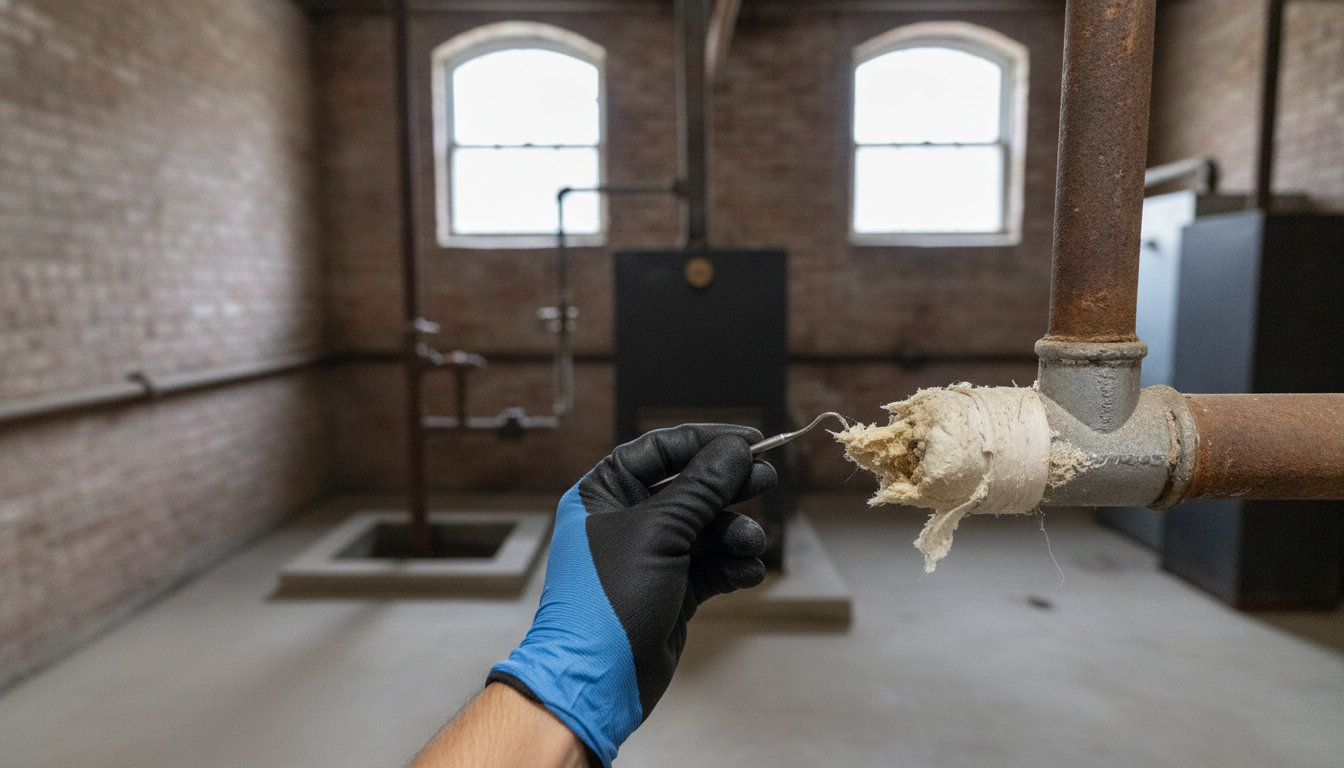
Understand the purpose of an AHERA inspection
An asbestos inspection helps establish whether building materials contain asbestos and documents conditions relevant to managing those materials. Appearance alone cannot reliably establish whether a material contains asbestos. Inspection and, where appropriate, sampling provide a basis for deciding what comes next.
AHERA—the Asbestos Hazard Emergency Response Act—establishes asbestos-management requirements for public and nonprofit private elementary and secondary schools. If you are arranging an inspection for a school, the building’s inspection history and asbestos-management records are important starting points. For other properties, discuss the purpose of the inspection rather than assuming that every AHERA requirement applies.
When an inspection may be needed
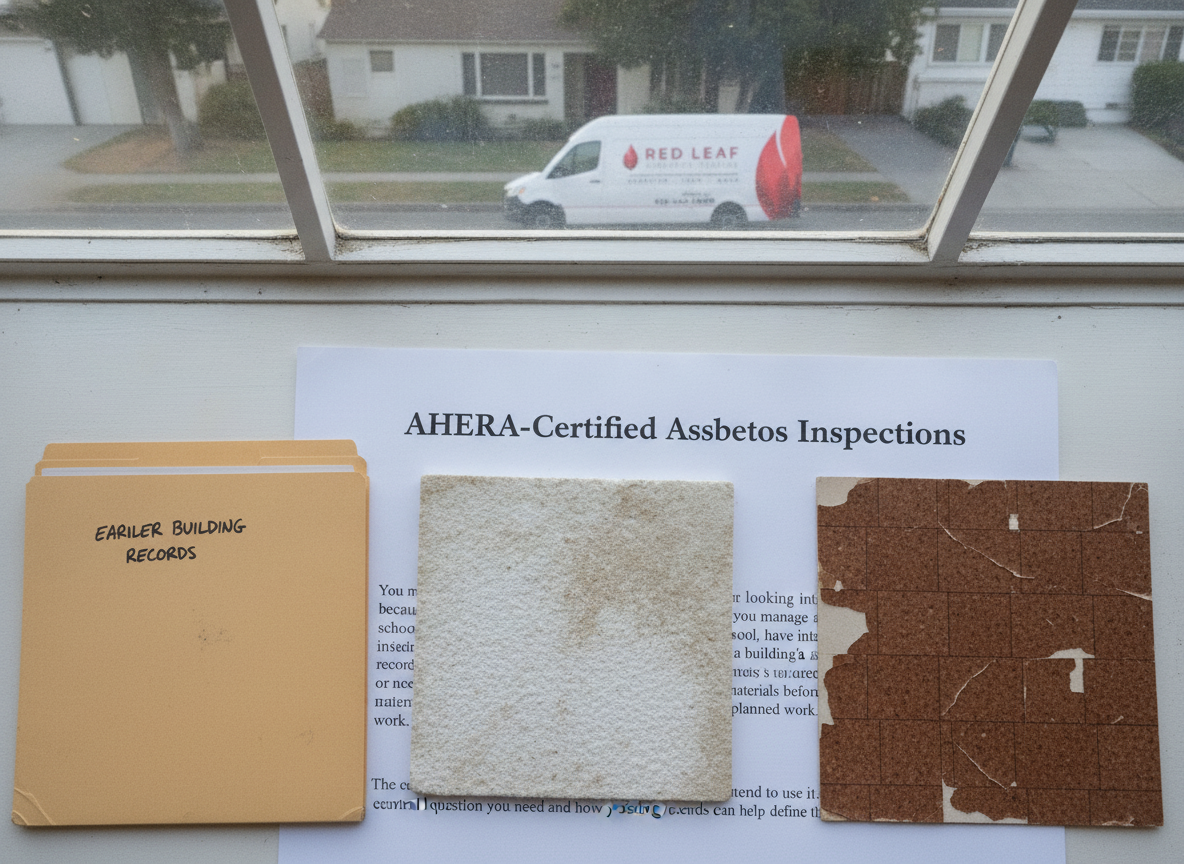
You may be looking into an inspection because you manage a school, have inherited responsibility for a building’s asbestos records, or need to understand materials before planned work. The central question is what information you need and how you intend to use it.
Existing records can help define that question. A previous inspection may cover only certain spaces or materials, while a proposed project may affect different areas. Before arranging work, identify the rooms, building components, and planned activities involved. That helps distinguish a narrowly defined concern from a broader inspection need.
What the inspection work involves
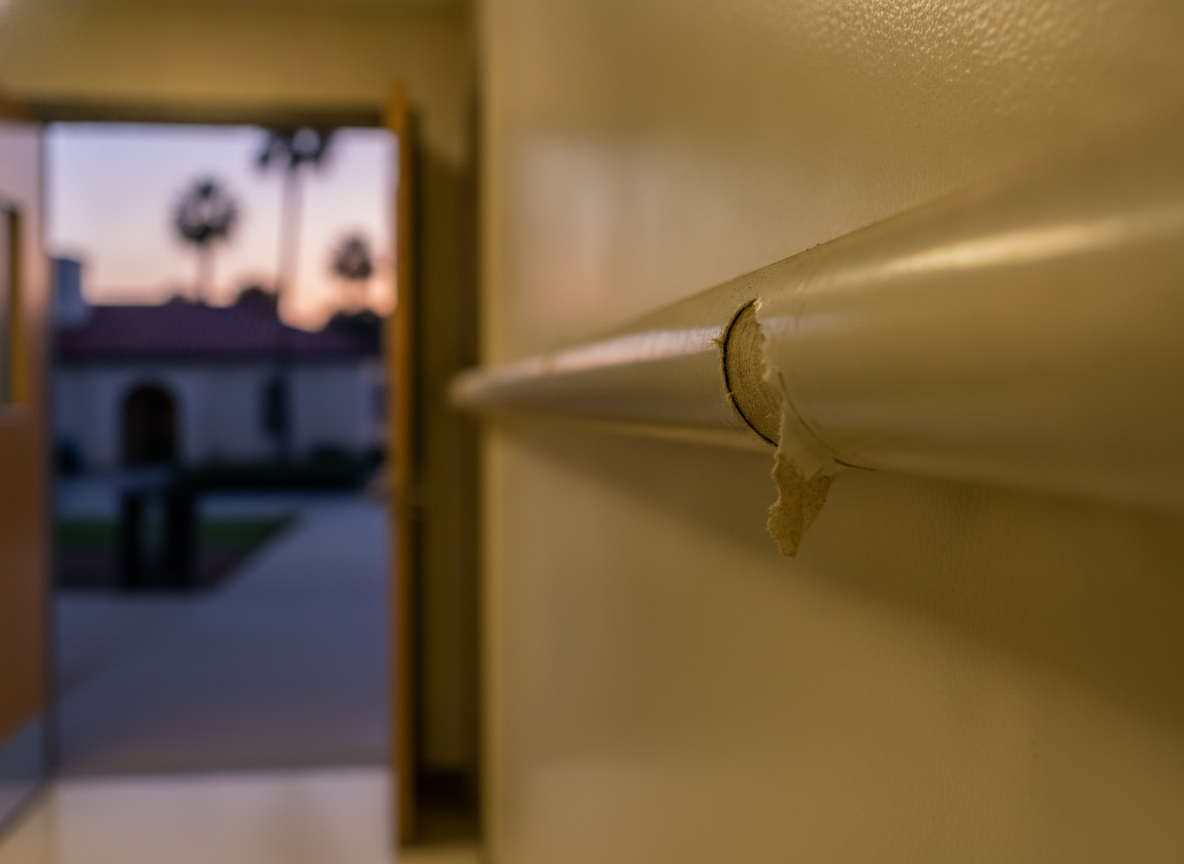
In general, asbestos inspection work combines a review of relevant records with an examination of building materials. The inspector considers where suspect materials occur, their condition, and whether existing information adequately identifies them. Sampling may be needed when reliable information about a material is absent.
A visual observation is not the same as a laboratory finding. Where samples are collected, analysis helps determine whether the sampled material contains asbestos. The inspection’s scope matters: findings about one material or accessible area should not automatically be treated as findings about every material or concealed space in a building.
Prepare for a useful inspection discussion
A clear brief helps you ask for work that matches your needs. Before contacting an inspection provider, gather the information you already have and identify the decision the inspection needs to support.
- Property information: Describe the building’s use and the areas you want addressed.
- Existing records: Gather previous asbestos inspections, sampling results, and management documents if you have them.
- Planned activity: Explain any maintenance, renovation, or other work connected to your request.
- Access needs: Identify occupied rooms, restricted spaces, or other conditions that may affect access.
These details help frame a discussion about scope, scheduling, and documentation. They also give you a practical basis for comparing a proposed inspection with the question you need answered.
Choose the service that matches the question
Red Leaf Asbestos Testing offers AHERA-Certified Asbestos Inspections. If that is the service your property needs, start with a conversation about the building, its records, and your reason for requesting an inspection.
Before authorizing work, ask what areas and materials the proposed scope covers, whether sampling is included, and what documentation you should expect. Clear expectations are more useful than assuming every inspection includes the same work. An inspection also should not be confused with asbestos removal or a guarantee that every concealed material has been evaluated.
Frequently asked questions
Does an AHERA inspection apply to every building?
AHERA’s school requirements concern public and nonprofit private elementary and secondary schools. For another property type, explain your needs so the appropriate inspection scope can be discussed.
Can I identify asbestos by looking at it?
Not reliably. Suspect materials may require sampling and laboratory analysis. Avoid disturbing a material simply to investigate it yourself.
Will the inspection include sampling and a report?
Ask about both when discussing the proposed scope. Confirm the sampling arrangements and documentation before authorizing the inspection.
What will it cost, and how long will it take?
Scope, access, building size, and sampling needs can affect cost and timing. Describe your property and any deadlines when requesting those details.
Discuss your AHERA inspection
Contact Red Leaf Asbestos Testing to discuss your property, inspection goals, and the scope of your AHERA-Certified Asbestos Inspection.
Related services
Areas we serve
- ● Los Angeles County
- ● Agoura Hills
- ● Alhambra
- ● Arcadia
- ● Artesia
- ● Avalon
- ● Azusa
- ● Baldwin Park
- ● Bell
- ● Bell Gardens
- ● Bellflower
- ● Beverly Hills
- ● Bradbury
- ● Burbank
- ● Calabasas
- ● Carson
- ● Cerritos
- ● Claremont
- ● Commerce
- ● Compton
- ● Covina
- ● Cudahy
- ● Culver City
- ● Diamond Bar
- ● Downey
- ● Duarte
- ● El Monte
- ● El Segundo
- ● Gardena
- ● Glendale
- ● Glendora
- ● Hawaiian Gardens
- ● Hawthorne
- ● Hermosa Beach
- ● Hidden Hills
- ● Huntington Park
- ● Industry
- ● Inglewood
- ● Irwindale
- ● La Cañada Flintridge
- ● La Habra Heights
- ● La Mirada
- ● La Puente
- ● La Verne
- ● Lakewood
- ● Lancaster
- ● Lawndale
- ● Lomita
- ● Long Beach
- ● Los Angeles
- ● Lynwood
- ● Malibu
- ● Manhattan Beach
- ● Maywood
- ● Monrovia
- ● Montebello
- ● Monterey Park
- ● Norwalk
- ● Palmdale
- ● Palos Verdes Estates