

Chemical & Volatile Compound Testing
Red Leaf Asbestos Testing offers chemical and volatile compound testing for your environmental testing needs.
- ✓ Open 24 hours, 7 days a week
- ✓ Serving Los Angeles County, Agoura Hills, Alhambra and 86 more areas
Start With the Question You Need Answered
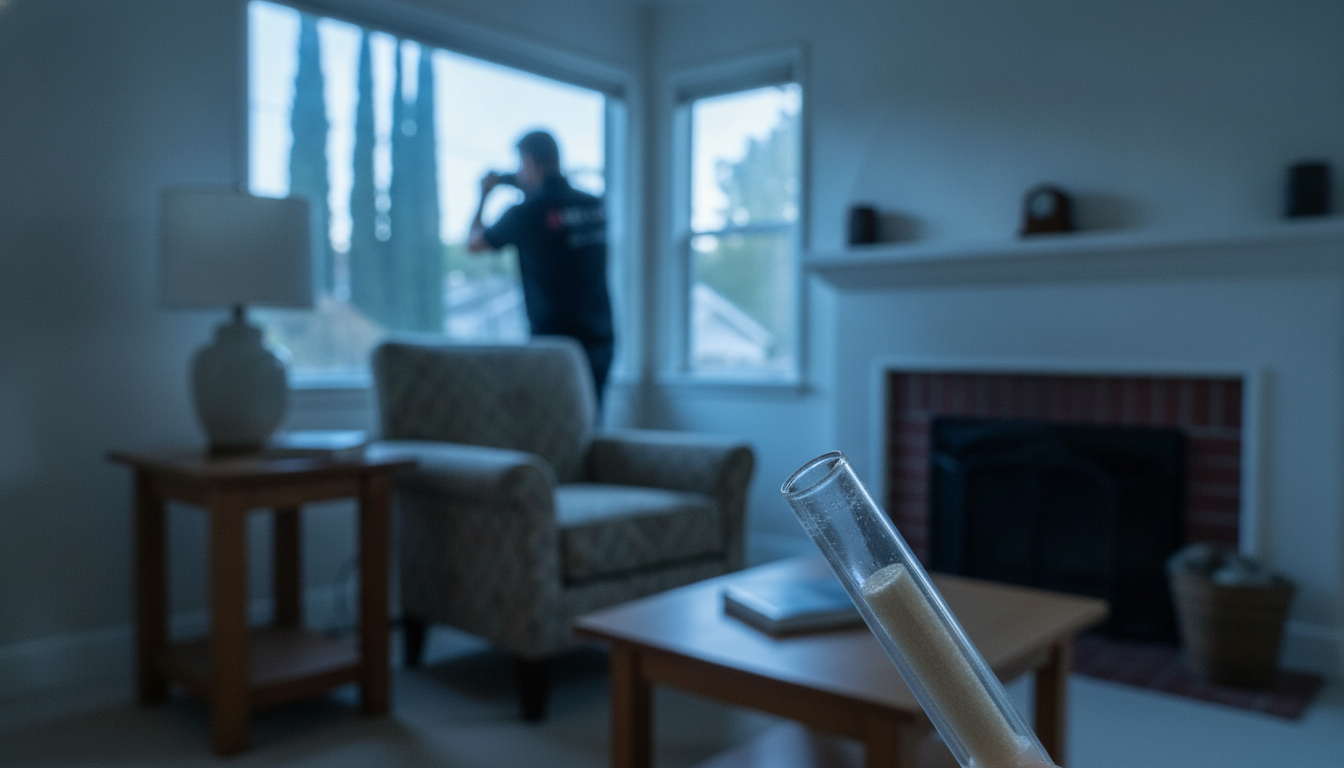
Chemical testing begins with a specific concern, not simply a request to test for everything. You may be trying to understand an unfamiliar odor, investigate a possible exposure, or determine whether a particular substance is present. Those are different questions, and they can require different testing approaches.
Volatile compounds are substances that can readily enter the air as gases or vapors. Chemical testing is a broader category, so identifying the concern helps narrow what an investigation should address. Before requesting testing, consider what you have noticed and what decision you need the results to support.
When Testing May Be Worth Considering
This kind of testing may be relevant when you are responsible for a property, use a space, or need information about a suspected chemical concern. A useful starting point is a clear description of the situation: what happened, where the concern exists, and whether there is a suspected source.
An odor alone does not identify a chemical or establish its concentration. Likewise, the absence of an odor does not answer every question about chemical presence. Testing is most useful when it addresses a defined concern rather than treating smell as a substitute for measurement.
What the Work Generally Involves
The scope of chemical and volatile compound testing depends on the substances of interest and the setting being evaluated. There is no single test that answers every chemical question. The choice of analytical approach matters because different methods look for different substances and have different measurement limits.
In general, planning this type of work involves:
- Define the concern — Identify the question the testing needs to answer and any suspected substances or sources.
- Establish the scope — Determine what material or environment needs evaluation and which conditions matter to the question.
- Select an appropriate approach — Match sampling and analysis to the substances being investigated.
- Consider the findings in context — Relate the results to the original question, the sampling conditions, and the method’s limitations.
These are general considerations for chemical testing, rather than a fixed procedure for every situation.
What Results Can—and Cannot—Tell You
A result needs context. Where and when a sample was collected, what the analysis measured, and the method’s detection limits all affect its meaning. A finding about one sample should not automatically be treated as a conclusion about every part of a property or every point in time.
Before arranging testing, clarify what you need to learn. Identifying a substance, measuring its concentration, and deciding what action to take are related but distinct questions. A well-defined objective helps keep the testing focused on the decision at hand.
Discuss Your Concern With Red Leaf Asbestos Testing
Red Leaf Asbestos Testing provides Chemical & Volatile Compound Testing. If this is the service you are considering, contact the business with a description of your concern and the questions you want to resolve.
Useful details to have ready include the affected location, when you first noticed the issue, any suspected source, and any previous testing information. You do not need to diagnose the problem before making an inquiry; describe what you know without assuming the cause.
Frequently Asked Questions
Can testing identify an unfamiliar odor?
Testing may help investigate an odor when the scope and analytical method address the suspected compounds. An odor description alone cannot establish which substance is present.
Can one test check for every chemical?
No single test covers every chemical. The substances of interest and the purpose of the investigation guide the choice of analysis.
How much will testing cost, and how long will it take?
Ask about pricing and timing for your particular concern before arranging testing. Describe the question you need answered so the discussion can focus on the appropriate scope.
What should I prepare before contacting the business?
Gather your observations, relevant dates, suspected sources, and any existing test results. Explain what you hope to learn and whether you have a deadline.
Contact Red Leaf Asbestos Testing
Ready to discuss Chemical & Volatile Compound Testing? Contact Red Leaf Asbestos Testing at 626-440-5800 or use the contact form to describe your concern.
Related services
Areas we serve
- ● Los Angeles County
- ● Agoura Hills
- ● Alhambra
- ● Arcadia
- ● Artesia
- ● Avalon
- ● Azusa
- ● Baldwin Park
- ● Bell
- ● Bell Gardens
- ● Bellflower
- ● Beverly Hills
- ● Bradbury
- ● Burbank
- ● Calabasas
- ● Carson
- ● Cerritos
- ● Claremont
- ● Commerce
- ● Compton
- ● Covina
- ● Cudahy
- ● Culver City
- ● Diamond Bar
- ● Downey
- ● Duarte
- ● El Monte
- ● El Segundo
- ● Gardena
- ● Glendale
- ● Glendora
- ● Hawaiian Gardens
- ● Hawthorne
- ● Hermosa Beach
- ● Hidden Hills
- ● Huntington Park
- ● Industry
- ● Inglewood
- ● Irwindale
- ● La Cañada Flintridge
- ● La Habra Heights
- ● La Mirada
- ● La Puente
- ● La Verne
- ● Lakewood
- ● Lancaster
- ● Lawndale
- ● Lomita
- ● Long Beach
- ● Los Angeles
- ● Lynwood
- ● Malibu
- ● Manhattan Beach
- ● Maywood
- ● Monrovia
- ● Montebello
- ● Monterey Park
- ● Norwalk
- ● Palmdale
- ● Palos Verdes Estates