

Soil & Groundwater Testing
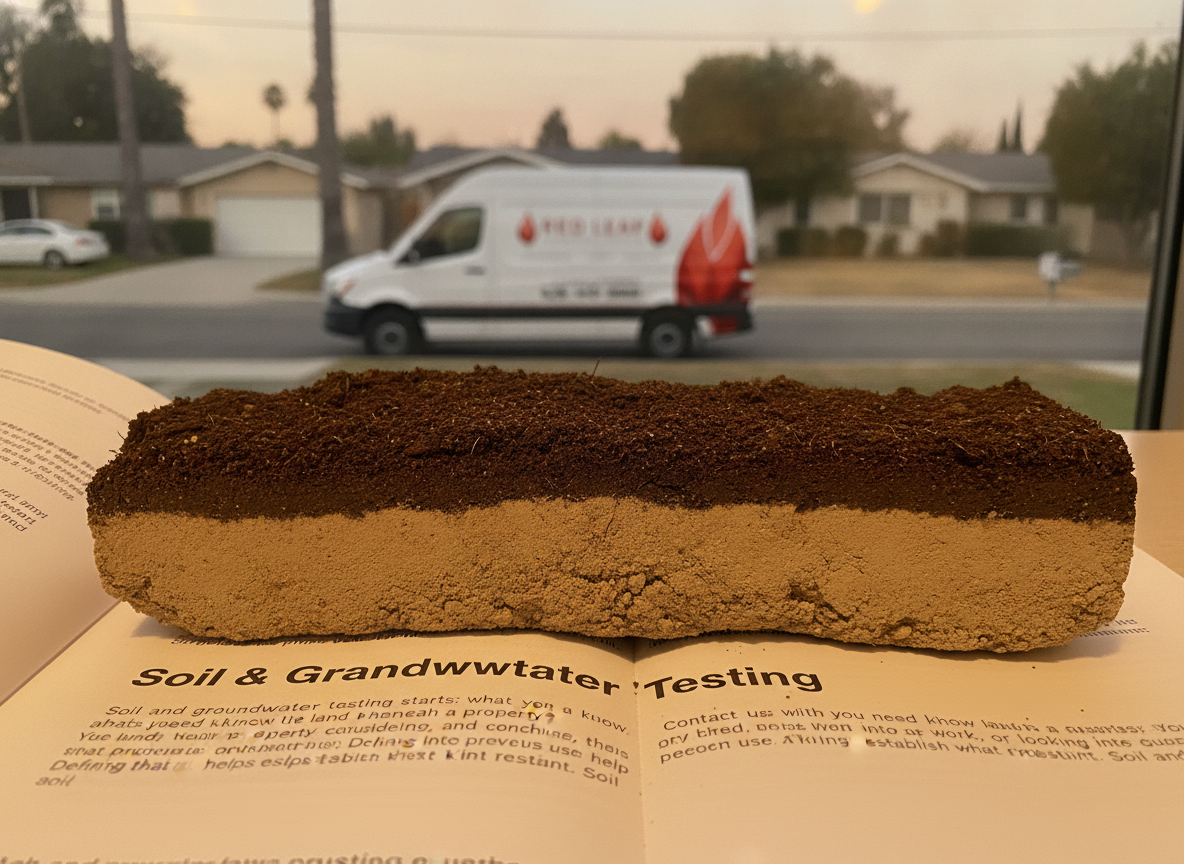
Red Leaf Asbestos Testing offers soil and groundwater testing for people looking to understand conditions at a property.
- ✓ Open 24 hours, 7 days a week
- ✓ Serving Los Angeles County, Agoura Hills, Alhambra and 86 more areas
Understand What You Need to Find Out
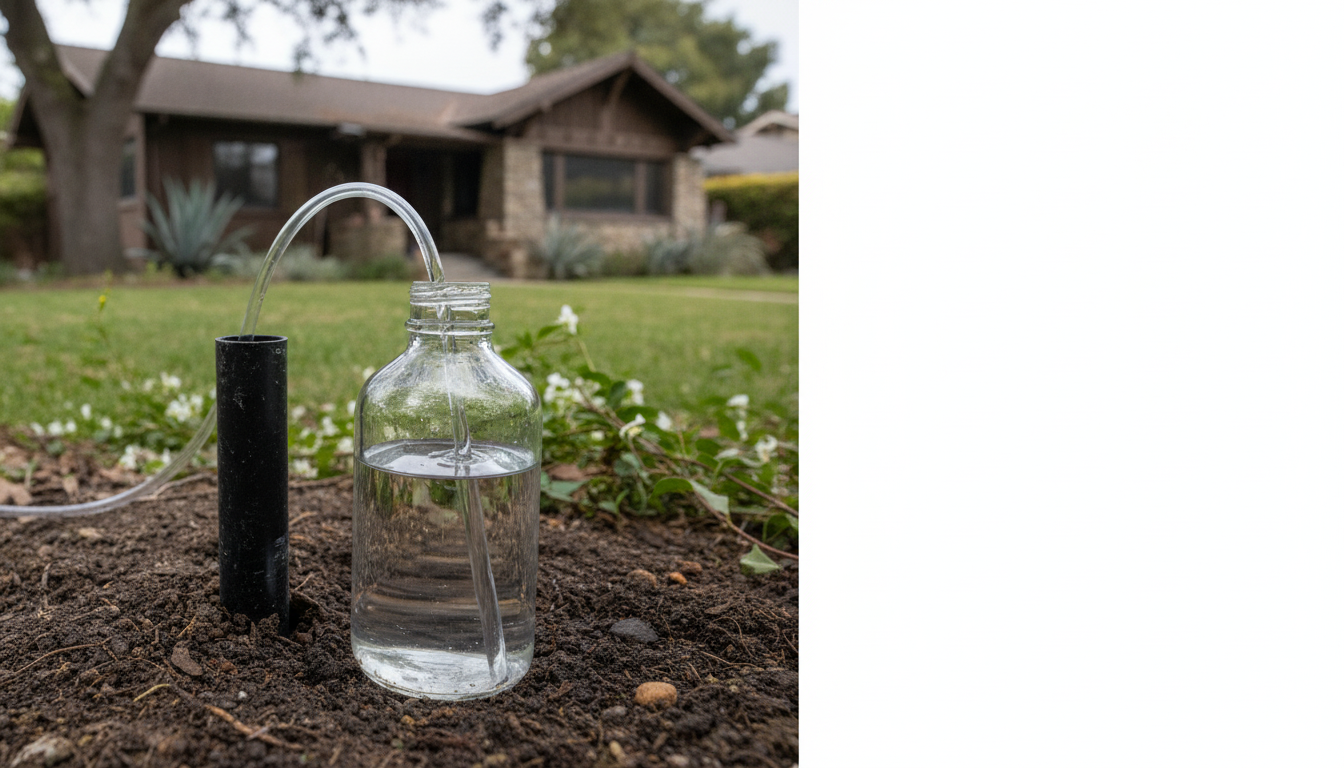
Soil and groundwater testing starts with a question: what do you need to know about the land or water beneath a property? You may be considering a purchase, planning work, or looking into a concern about previous use. Defining that question helps establish what kind of testing is relevant.
Soil and groundwater are related, but they are not interchangeable. A soil result describes the material tested; it does not automatically establish groundwater conditions. Likewise, a groundwater result does not answer every question about the surrounding soil. The testing scope should reflect the decision you need to make.
What Soil and Groundwater Testing Involves
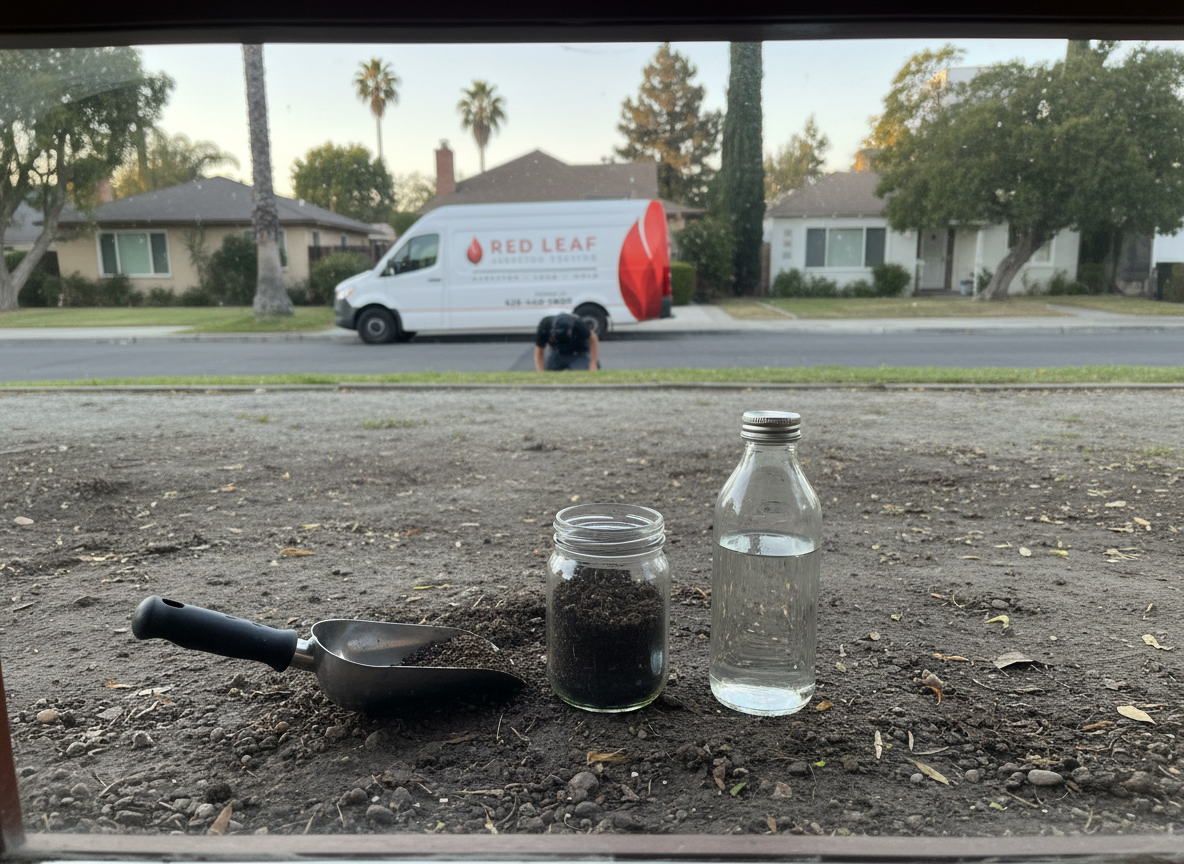
In general, this work involves selecting sampling locations, collecting material for analysis, and reviewing results against the purpose of the investigation. The appropriate approach depends on the property, the concern being investigated, and the substances being considered.
A useful starting point is to distinguish a broad concern from a specific question. “Is there a problem?” is different from asking whether a particular substance is present in a particular location. More focused questions help guide a discussion about sampling and analysis without assuming that every property needs the same work.
When Testing May Be Worth Discussing
Testing may be relevant when a property’s past use raises questions, when existing information leaves an important gap, or when a planned decision depends on understanding soil or groundwater conditions. A visible concern can prompt an inquiry, but appearance alone is not a substitute for analysis.
Before arranging work, gather any information you already have about the site. Previous reports, the location of the concern, and the reason you are seeking testing can help frame the conversation. You do not need to decide on a technical testing scope before making contact.
Know What the Results Can Tell You
Testing results need context. Where a sample came from, what was analyzed, and why the work was undertaken all affect how the findings should be understood. A result from one location should not automatically be treated as a description of an entire property.
It is also helpful to distinguish testing from the decision that follows it. A purchase, construction plan, or concern about contamination may involve questions beyond the analytical findings. Explain how you intend to use the results so that the discussion begins with your actual needs.
Discuss Your Property With Red Leaf Asbestos Testing
Red Leaf Asbestos Testing offers both soil and groundwater testing. That makes the business a relevant point of contact when your question concerns either material, or when you need to discuss which is relevant to your concern.
Start with the property location, what prompted your inquiry, and any deadline affecting your decision. Ask about the proposed scope, access needs, cost, and timing before authorizing work.
Frequently Asked Questions
Do I need soil testing, groundwater testing, or both?
That depends on the question you need answered. Describe your concern and intended use of the findings rather than assuming one type of testing covers both.
What should I have ready before contacting you?
Have the property location, a description of your concern, and any existing reports available. Mention any purchase or project deadline as well.
How much will testing cost, and how long will it take?
Ask for pricing and timing for your proposed scope. Sampling needs and the analysis being considered are important parts of that discussion.
Does one sample describe the whole property?
Not necessarily. Findings relate to the samples and analyses involved; the sampling scope matters when interpreting what the results mean.
Contact Us About Soil & Groundwater Testing
Contact Red Leaf Asbestos Testing to discuss your property, explain your concerns, and ask about arranging soil and groundwater testing.
Related services
Areas we serve
- ● Los Angeles County
- ● Agoura Hills
- ● Alhambra
- ● Arcadia
- ● Artesia
- ● Avalon
- ● Azusa
- ● Baldwin Park
- ● Bell
- ● Bell Gardens
- ● Bellflower
- ● Beverly Hills
- ● Bradbury
- ● Burbank
- ● Calabasas
- ● Carson
- ● Cerritos
- ● Claremont
- ● Commerce
- ● Compton
- ● Covina
- ● Cudahy
- ● Culver City
- ● Diamond Bar
- ● Downey
- ● Duarte
- ● El Monte
- ● El Segundo
- ● Gardena
- ● Glendale
- ● Glendora
- ● Hawaiian Gardens
- ● Hawthorne
- ● Hermosa Beach
- ● Hidden Hills
- ● Huntington Park
- ● Industry
- ● Inglewood
- ● Irwindale
- ● La Cañada Flintridge
- ● La Habra Heights
- ● La Mirada
- ● La Puente
- ● La Verne
- ● Lakewood
- ● Lancaster
- ● Lawndale
- ● Lomita
- ● Long Beach
- ● Los Angeles
- ● Lynwood
- ● Malibu
- ● Manhattan Beach
- ● Maywood
- ● Monrovia
- ● Montebello
- ● Monterey Park
- ● Norwalk
- ● Palmdale
- ● Palos Verdes Estates