

Lead Testing and Analysis
Red Leaf Asbestos Testing provides lead testing and analysis to help you investigate lead concerns and plan your next steps.
- ✓ Open 24 hours, 7 days a week
- ✓ Serving Los Angeles County, Agoura Hills, Alhambra and 86 more areas
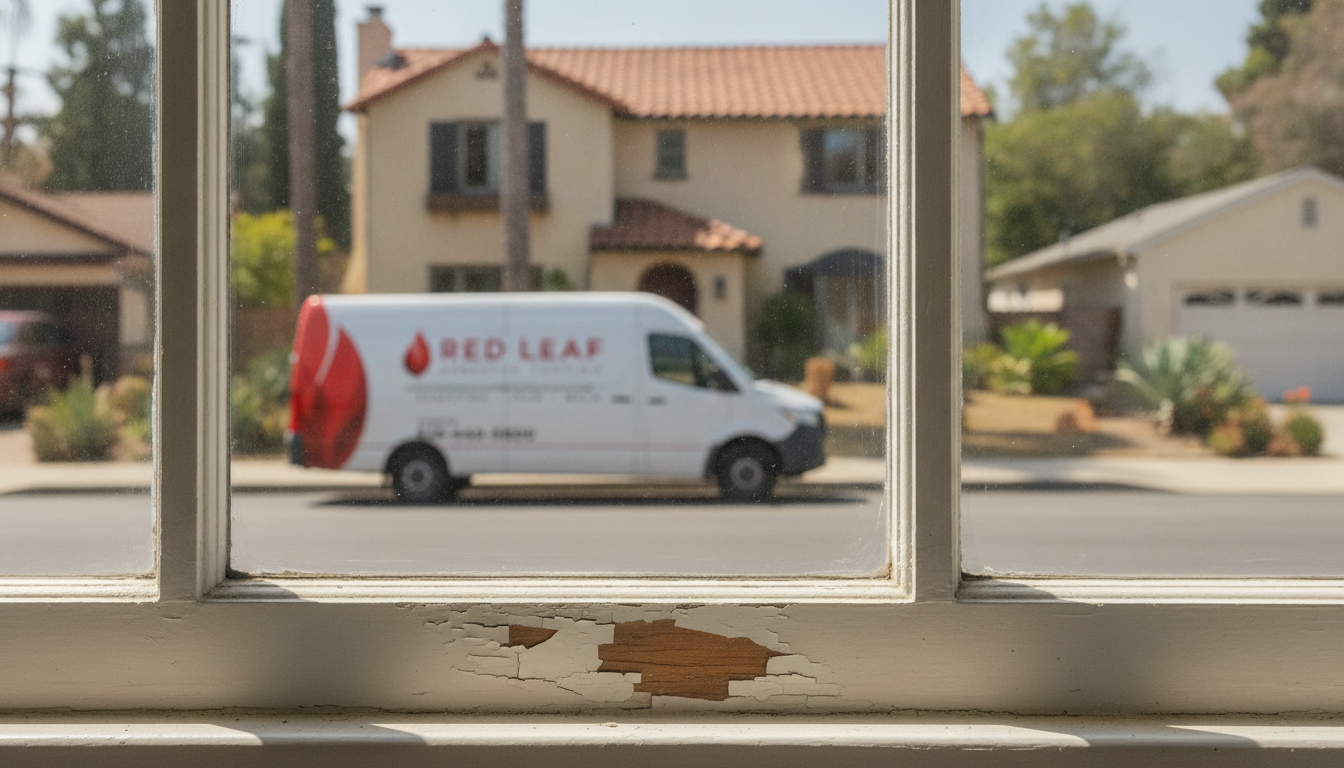
Start With the Question You Need Answered
Lead testing begins with a specific concern: whether lead is present, where it may be present, or whether planned work calls for a closer assessment. These questions can require different approaches, so defining the purpose of testing matters before choosing a method.
You may be considering testing before renovation, evaluating a property before purchase, or investigating a suspected source of exposure. Explain what prompted your concern and what decision you need to make. That context helps shape a useful discussion about the scope of testing.
What Lead Testing Can Involve
Lead testing generally involves identifying the materials or locations of concern, selecting an appropriate testing approach, and interpreting the findings in context. A result applies to what was tested; it should not automatically be treated as an answer about every surface or material at a property.
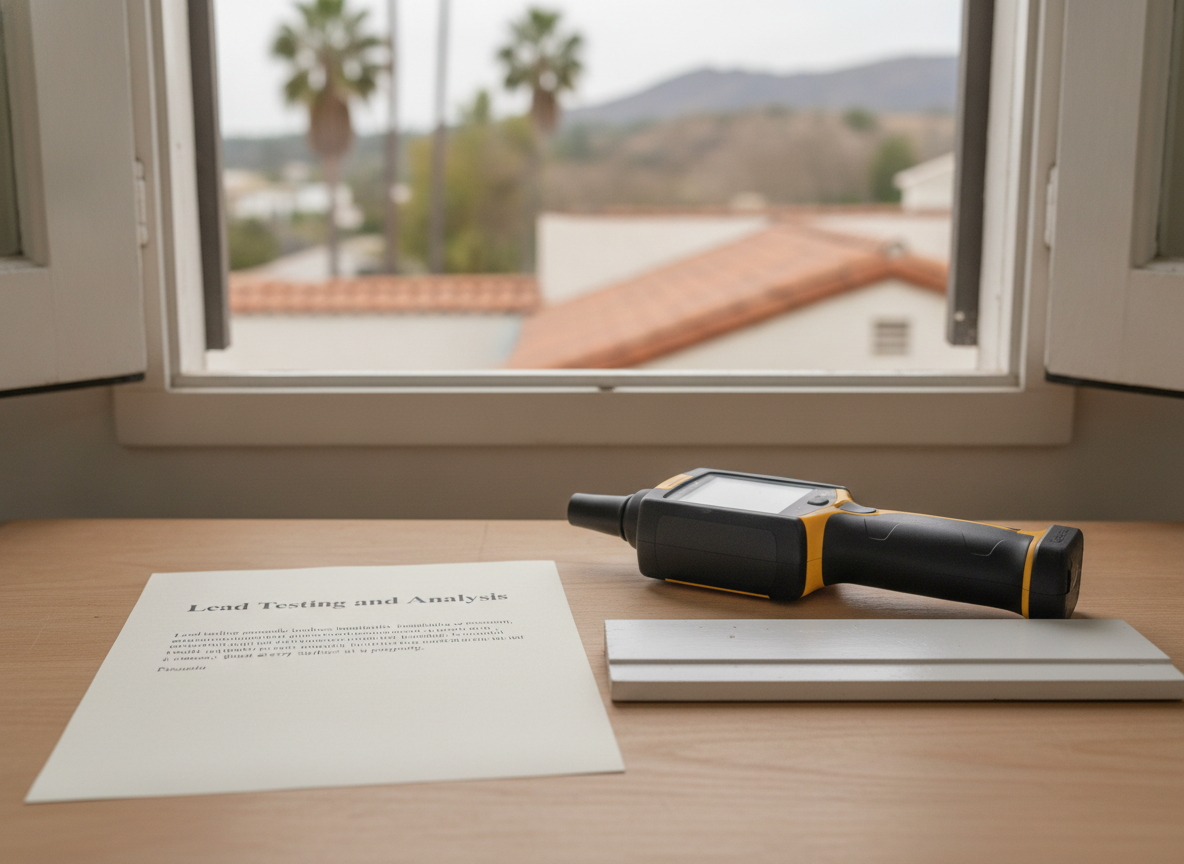
Field analysis and laboratory analysis serve different purposes. X-ray fluorescence, commonly called XRF, can assess lead in certain materials through instrument readings. Inductively coupled plasma mass spectrometry, or ICP-MS, is a laboratory technique used to measure metals in prepared samples. The appropriate approach depends on the material, the question being asked, and any applicable requirements.
Lead-Focused Capabilities at Red Leaf
Red Leaf Asbestos Testing offers lead testing and analysis alongside EPA-Compliant Lead Risk Management, Real-Time XRF Field Analysis, and High-Precision ICP-MS Lab Testing.
These capabilities are relevant when discussing whether a project calls for field measurements, laboratory analysis, or a broader lead-risk assessment. Start with your project’s purpose rather than requesting a particular instrument by name: the useful question is which approach fits the concern you need investigated.
Plan Testing Around Your Project
For a renovation project, the important issue may be which materials could be disturbed. For a property purchase, it may be a concern about a particular surface or area. For an exposure concern, it may be identifying a suspected source. Testing is most useful when its scope matches that underlying question.
Before contacting a testing business, gather any existing reports, describe the areas of concern, and explain whether work is planned. If someone has requested testing, share their written requirements. Those details can help distinguish a targeted investigation from a project that needs a wider assessment.
Understand the Results in Context
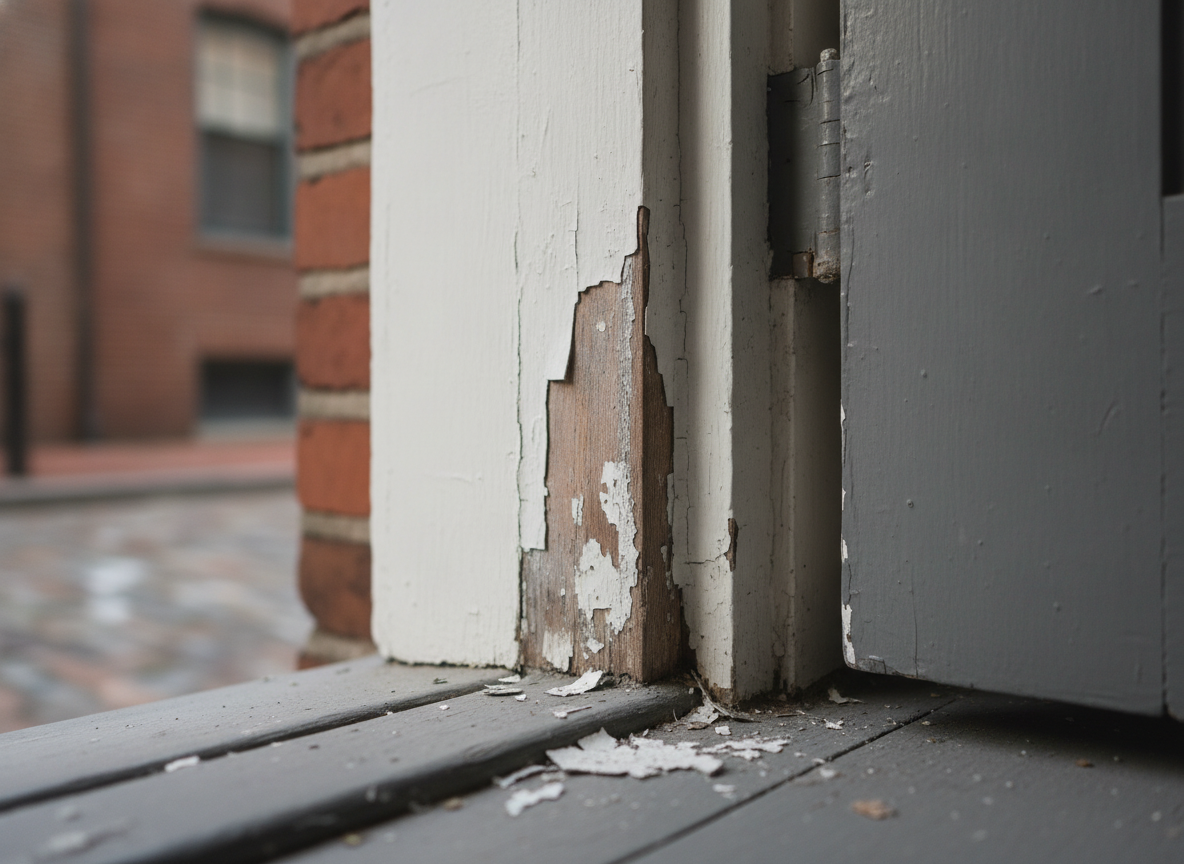
Finding lead and determining what to do about it are related but separate questions. Interpretation can depend on the material tested, its condition, its location, and the activities planned around it. A testing result alone is not a complete description of every possible exposure condition.
Before authorizing work, ask what the proposed scope covers and how the findings will address your original concern. Clear expectations make it easier to understand both the value and the limits of the assessment.
Frequently Asked Questions
Do I need testing before renovation?
Testing may be worth discussing when planned work could disturb materials suspected of containing lead. Describe the work and the materials involved so the testing question can be defined before disturbance begins.
Is field testing the same as laboratory analysis?
No. Field instruments and laboratory methods assess materials differently. The choice depends on the material and the purpose of the investigation, rather than one method being universally preferable.
How much will testing cost, and how long will it take?
Ask for a project-specific scope, price, and expected schedule before booking. Relevant details include the areas involved, the testing approach, and any deadline driving your request.
Discuss Your Lead Testing Needs
Contact Red Leaf Asbestos Testing to discuss your concern, planned work, and questions about lead testing and analysis. Share what you need to learn so you can discuss an appropriate scope for your project.
Areas we serve
- ● Los Angeles County
- ● Agoura Hills
- ● Alhambra
- ● Arcadia
- ● Artesia
- ● Avalon
- ● Azusa
- ● Baldwin Park
- ● Bell
- ● Bell Gardens
- ● Bellflower
- ● Beverly Hills
- ● Bradbury
- ● Burbank
- ● Calabasas
- ● Carson
- ● Cerritos
- ● Claremont
- ● Commerce
- ● Compton
- ● Covina
- ● Cudahy
- ● Culver City
- ● Diamond Bar
- ● Downey
- ● Duarte
- ● El Monte
- ● El Segundo
- ● Gardena
- ● Glendale
- ● Glendora
- ● Hawaiian Gardens
- ● Hawthorne
- ● Hermosa Beach
- ● Hidden Hills
- ● Huntington Park
- ● Industry
- ● Inglewood
- ● Irwindale
- ● La Cañada Flintridge
- ● La Habra Heights
- ● La Mirada
- ● La Puente
- ● La Verne
- ● Lakewood
- ● Lancaster
- ● Lawndale
- ● Lomita
- ● Long Beach
- ● Los Angeles
- ● Lynwood
- ● Malibu
- ● Manhattan Beach
- ● Maywood
- ● Monrovia
- ● Montebello
- ● Monterey Park
- ● Norwalk
- ● Palmdale
- ● Palos Verdes Estates