

Real-Time XRF Field Analysis
Red Leaf Asbestos Testing offers Real-Time XRF Field Analysis to help you investigate elemental composition at your project site.
- ✓ Open 24 hours, 7 days a week
- ✓ Serving Los Angeles County, Agoura Hills, Alhambra and 86 more areas
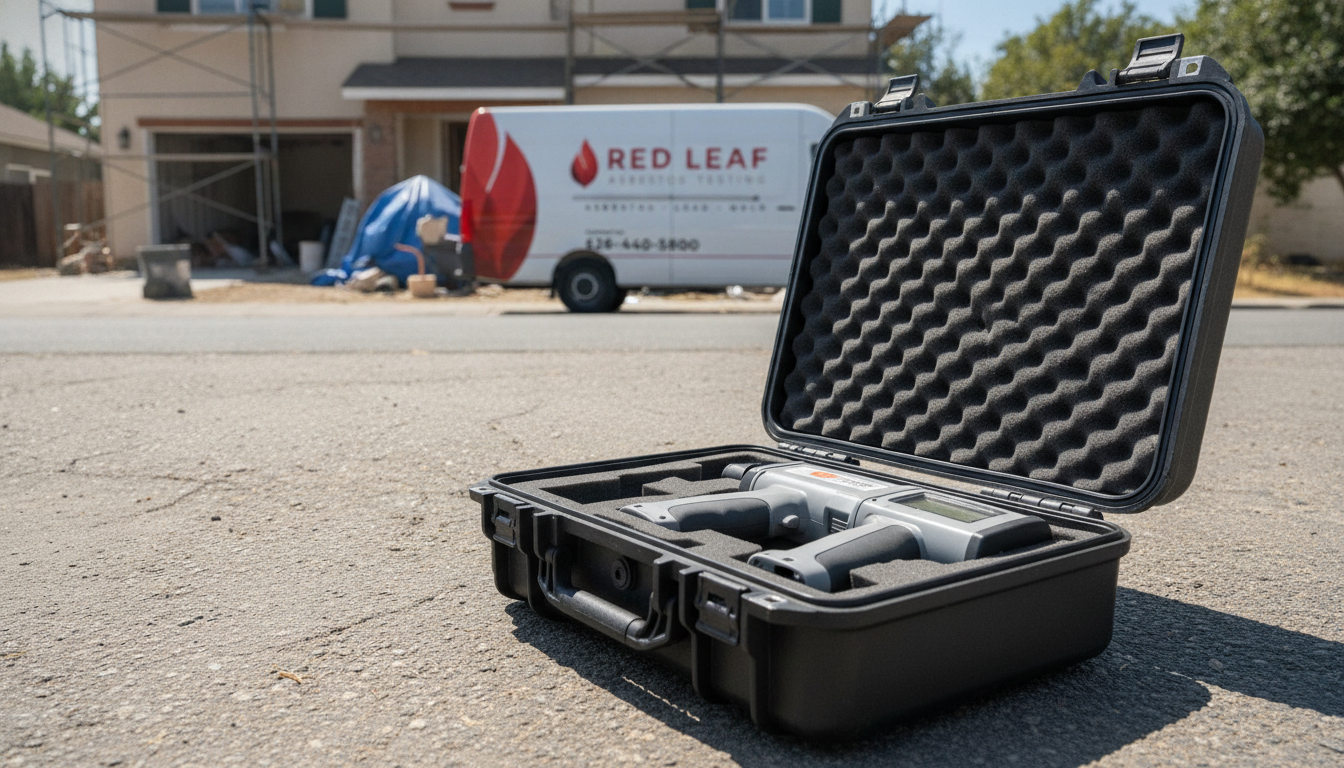
What XRF Field Analysis Involves
XRF stands for X-ray fluorescence, a technique used to examine the elemental composition of materials. An instrument exposes a measurement area to X-rays and detects the characteristic signals emitted by elements in that area. Those signals support an assessment of which detectable elements are present.
Field analysis brings that measurement approach to the site. “Real-time” refers to readings available during testing; it should not be confused with a promise that every project question can be answered immediately. Interpreting a reading requires attention to the material, the measurement conditions and the question being investigated.
When This Type of Testing May Fit
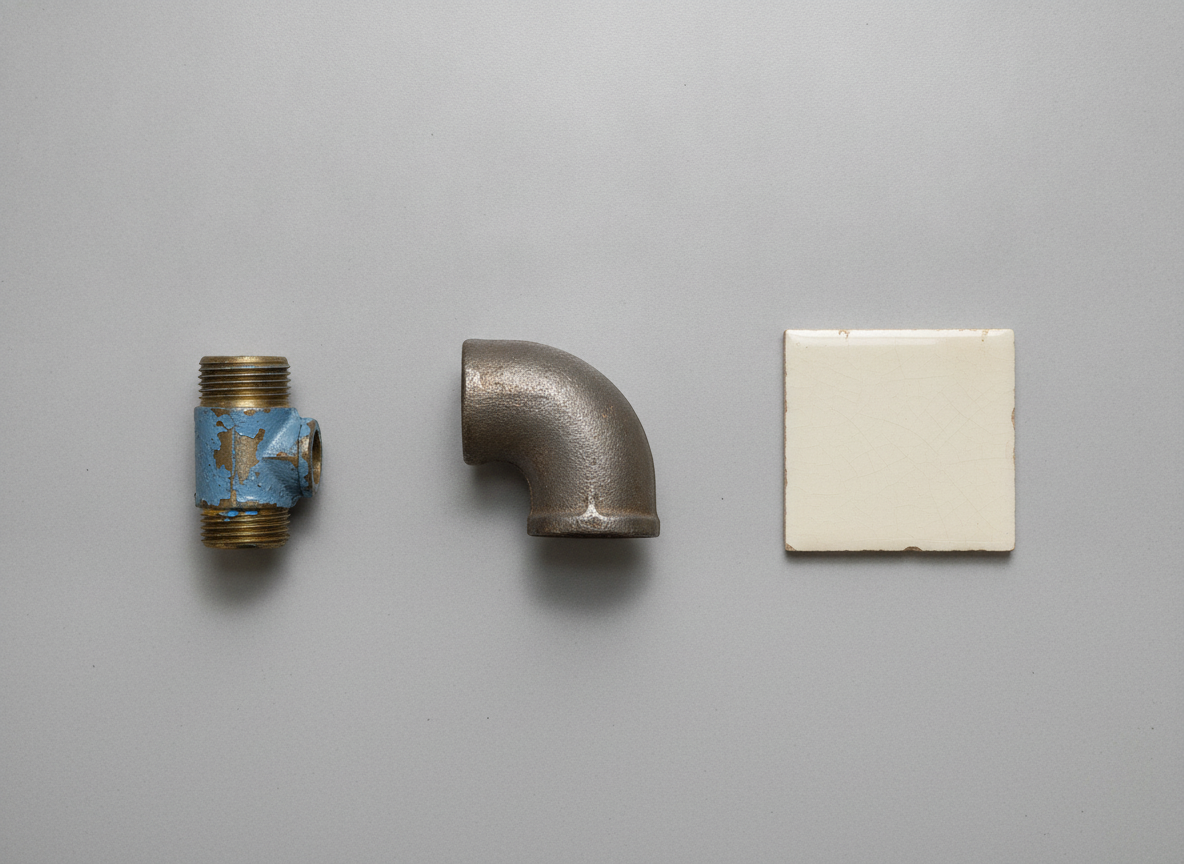
XRF may be worth discussing when you need information about elements in a material without relying on appearance alone. It can be relevant to questions about metals, coatings or suspected elemental contamination. Suitability depends on the particular material and the elements of interest—not simply on whether a surface can be reached.
Property owners, project managers and people planning construction or purchase decisions may encounter these questions. Before arranging testing, identify what decision the results need to support. Screening a material, comparing locations and meeting a defined project requirement can call for different testing approaches.
What Makes a Reading Useful
A useful measurement starts with a clear question. The material’s composition, surface condition, thickness and underlying layers can affect how an XRF reading should be understood. A coating over another material, for example, can present a different measurement problem from a uniform piece of metal.
XRF also has detection limits. It does not identify every substance, and an elemental result does not automatically establish a material’s overall safety. Whether a reading answers your question depends on the method’s capabilities and the requirements of your project.
Match the testing method to the decision you need to make—not just to the material you want checked.
Preparing for a Testing Discussion
Before requesting field analysis, gather the information that will help define the scope. A productive discussion generally covers three points:
- Define the concern — Explain which material or location raises a question and what you want to learn.
- Describe the setting — Share relevant information about access, surface condition and the number of areas involved.
- Explain the intended use — Identify any project specifications or decision deadlines that the testing needs to address.
This preparation helps distinguish a general screening question from a request that must satisfy particular documentation or acceptance requirements. Discuss those requirements before testing rather than assuming any field reading will meet them.
Discuss Your Project With Red Leaf Asbestos Testing
Red Leaf Asbestos Testing offers Real-Time XRF Field Analysis as a named service. If you are considering this method, contact the business to discuss your material, your concern and the purpose of the testing.
Keep that conversation focused on the outcome you need. Ask whether field XRF is suitable for your question and what scope would be appropriate before deciding how to proceed.
Frequently Asked Questions
Will XRF tell me everything in a material?
No. XRF provides information about detectable elements under the measurement conditions. It is not a complete inventory of every compound or substance in a material.
Does “real-time” mean my project will be finished immediately?
Not necessarily. Readings during testing are different from completing a project’s full scope, interpretation and documentation. Ask about timing for your particular request.
What will the testing cost?
Request pricing based on your project. Describe the materials, locations and intended use of the results so the scope can be discussed.
What should I provide when I get in touch?
Start with the site location, the material of concern and the decision you need to make. Include any testing specifications or deadlines you already have.
Contact Red Leaf Asbestos Testing
Ready to discuss Real-Time XRF Field Analysis? Contact Red Leaf Asbestos Testing at 626-440-5800 or use the contact form to describe your project and ask about next steps.

Areas we serve
- ● Los Angeles County
- ● Agoura Hills
- ● Alhambra
- ● Arcadia
- ● Artesia
- ● Avalon
- ● Azusa
- ● Baldwin Park
- ● Bell
- ● Bell Gardens
- ● Bellflower
- ● Beverly Hills
- ● Bradbury
- ● Burbank
- ● Calabasas
- ● Carson
- ● Cerritos
- ● Claremont
- ● Commerce
- ● Compton
- ● Covina
- ● Cudahy
- ● Culver City
- ● Diamond Bar
- ● Downey
- ● Duarte
- ● El Monte
- ● El Segundo
- ● Gardena
- ● Glendale
- ● Glendora
- ● Hawaiian Gardens
- ● Hawthorne
- ● Hermosa Beach
- ● Hidden Hills
- ● Huntington Park
- ● Industry
- ● Inglewood
- ● Irwindale
- ● La Cañada Flintridge
- ● La Habra Heights
- ● La Mirada
- ● La Puente
- ● La Verne
- ● Lakewood
- ● Lancaster
- ● Lawndale
- ● Lomita
- ● Long Beach
- ● Los Angeles
- ● Lynwood
- ● Malibu
- ● Manhattan Beach
- ● Maywood
- ● Monrovia
- ● Montebello
- ● Monterey Park
- ● Norwalk
- ● Palmdale
- ● Palos Verdes Estates