

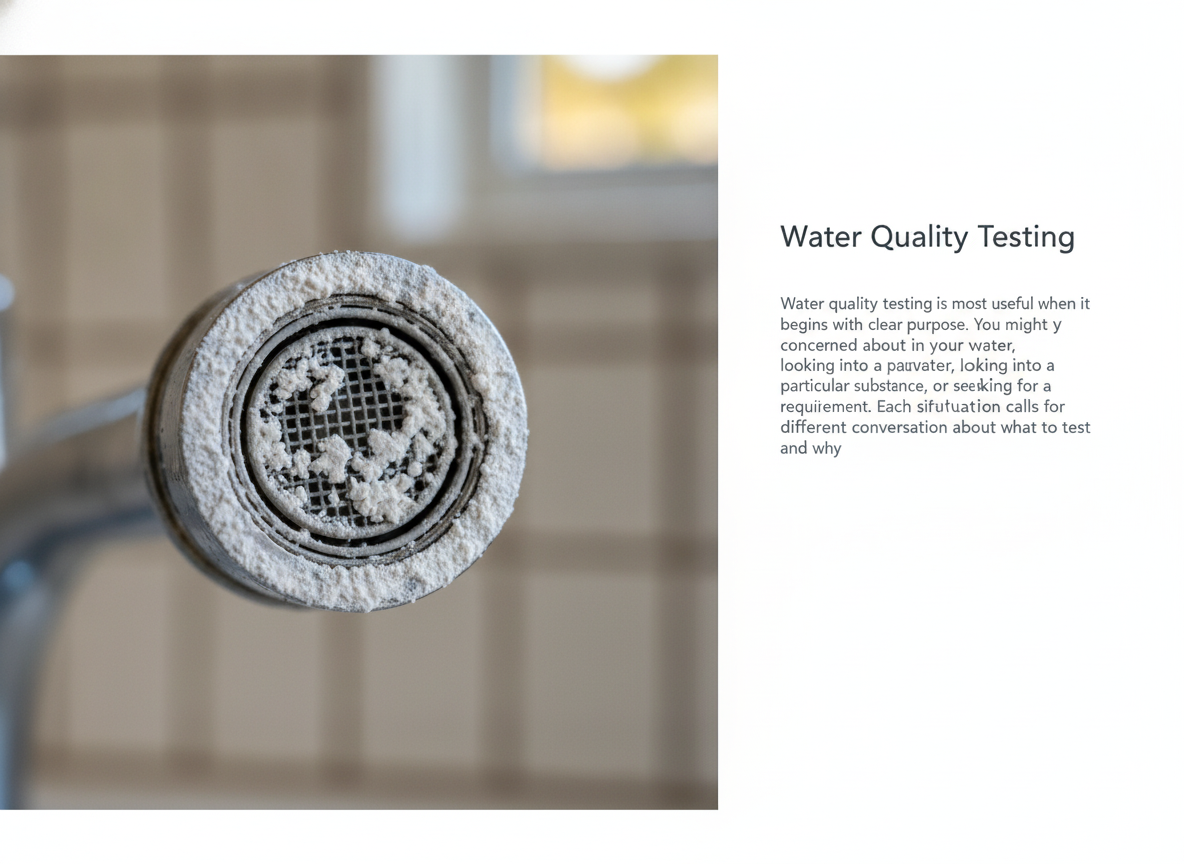
Water Quality Testing
Red Leaf Asbestos Testing offers water quality testing to help you investigate questions about the water you use.
- ✓ Open 24 hours, 7 days a week
- ✓ Serving Los Angeles County, Agoura Hills, Alhambra and 86 more areas
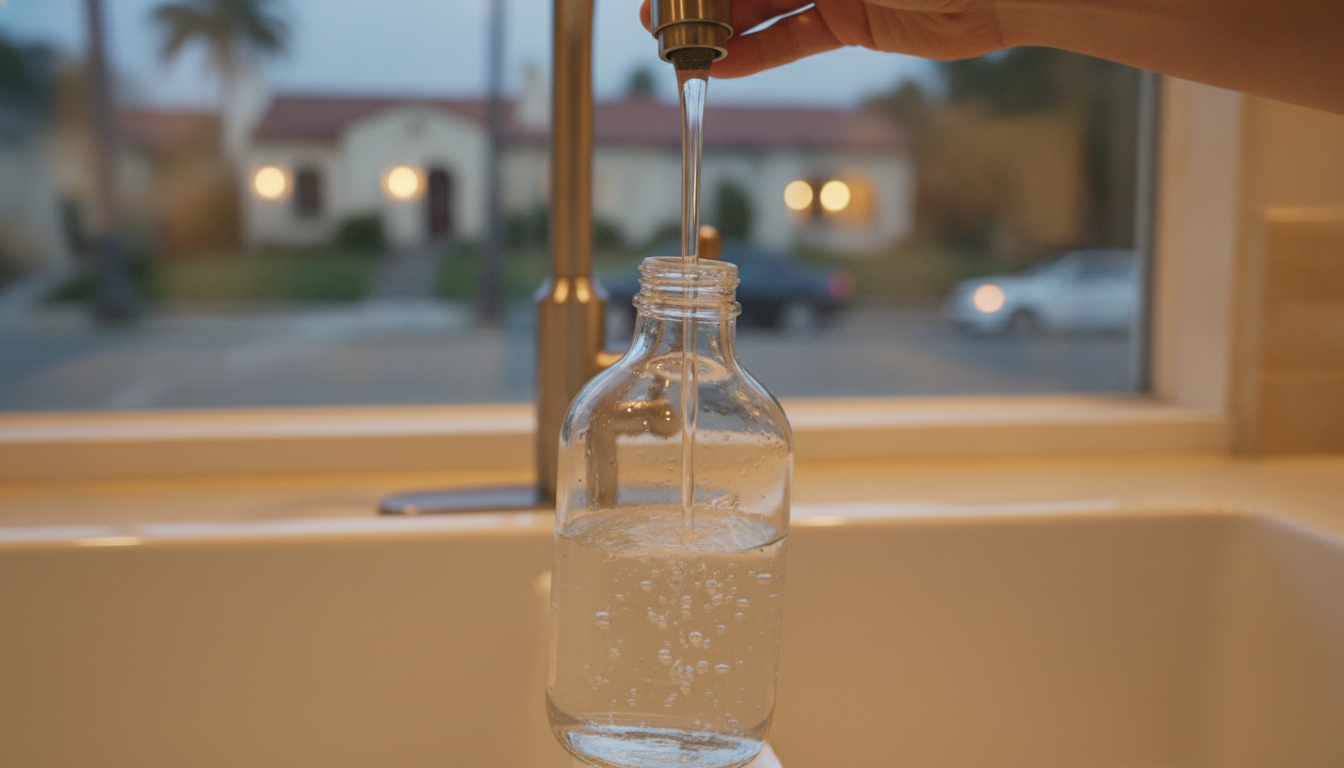
Start With the Question You Need Answered
Water testing is most useful when it begins with a clear purpose. You might be concerned about a change in your water, looking into a particular substance, or seeking testing for a specific requirement. Each situation calls for a different conversation about what to test and why.
A water test is not a single check for everything that could be present. Its usefulness depends on whether the selected analysis addresses your concern. Before arranging testing, think about what prompted the request, where the water comes from, and how it is used.
What Water Quality Testing Involves
In general, water quality testing involves collecting a sample and analyzing it for selected characteristics or substances. The appropriate sample location, collection method and handling requirements depend on the analysis. Following the relevant collection instructions helps make the sample suitable for its intended purpose.
A result describes the sample tested within the scope of the analysis. It should not be treated as an unlimited statement about every outlet, every possible substance or future water conditions. Understanding those limits is part of making good use of testing.
When Testing May Be Worth Considering
Testing may be worth discussing when water looks, smells or tastes different, or when you have a concern that appearance alone cannot answer. A visible change does not identify its cause, and clear-looking water does not answer every water quality question.
Testing can also be relevant when you have been asked to provide water quality documentation. If an organization has specified a test, sampling method or acceptance criterion, bring those instructions into the conversation before arranging the work. A general request to “test the water” may not match a narrowly defined requirement.
Prepare for a Useful Testing Conversation
A little preparation can help define the request without trying to diagnose the issue yourself.
- Your concern: Describe what prompted you to consider testing and when you first noticed it.
- The water source: Explain where the water comes from and which location or outlet concerns you.
- The intended use: Say how the water is used and what decision you hope testing will inform.
- Any written requirements: Share instructions from the organization requesting testing or certification.
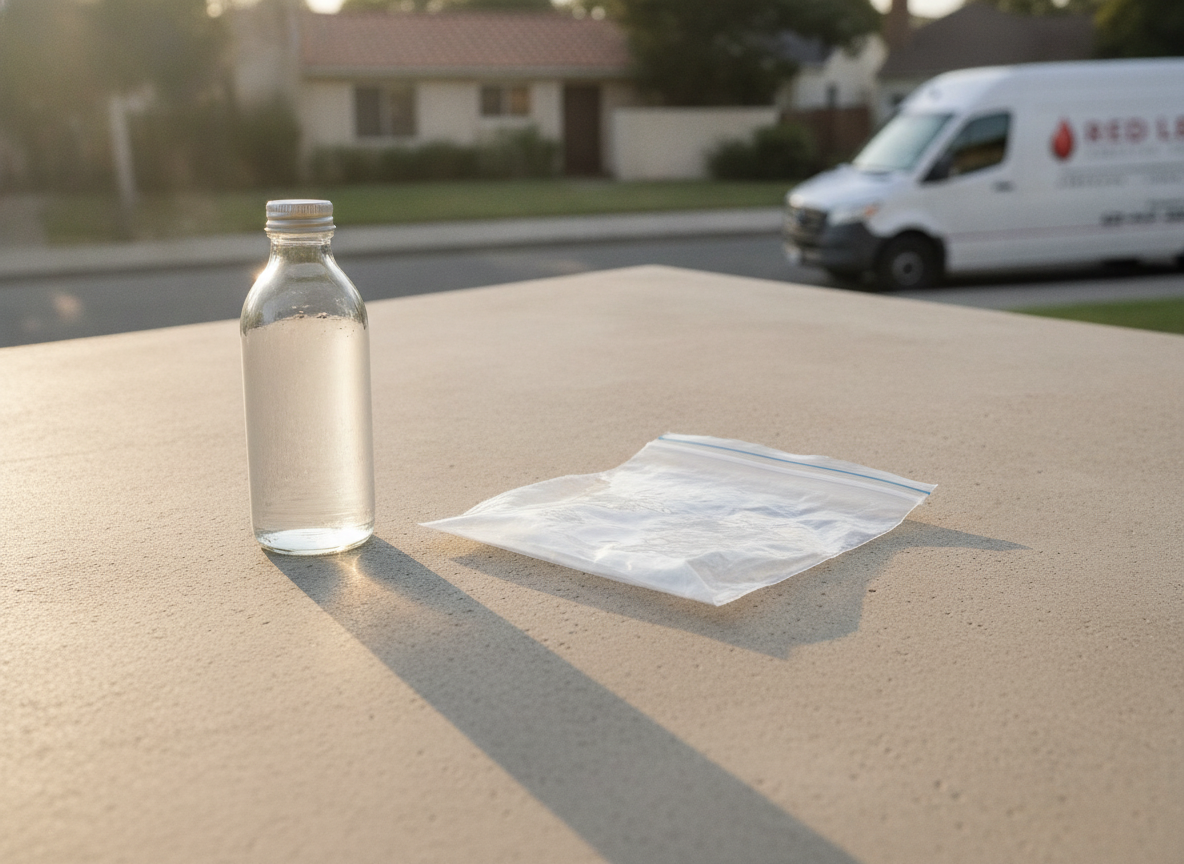
Avoid collecting a sample in advance unless you have received instructions for the intended test. Containers, timing and handling can matter, and an improvised sample may not be suitable.
Water Testing With Red Leaf Asbestos Testing
Red Leaf Asbestos Testing offers Water Testing & Certification. Contact the business with your water quality concern or the requirements you need to address, and ask about the testing scope appropriate to your request.
Before proceeding, discuss sample collection, the analyses being requested, pricing and the expected timing. Defining those details at the outset helps keep the testing focused on the question you actually need answered.
Frequently Asked Questions
Can one test check for everything?
No single water test should be assumed to cover every possible concern. Ask which characteristics or substances are included and whether that scope addresses your reason for testing.
Can I collect the water sample myself?
Ask about collection arrangements before taking a sample. The intended analysis determines the relevant container, collection and handling instructions.
Will testing tell me whether the water is safe?
That depends on what is tested and which criteria apply to its intended use. Results need to be considered within that scope rather than treated as a blanket assurance.
What if I need water certification?
Red Leaf Asbestos Testing offers water testing and certification. Share the requesting organization’s written requirements before arranging testing so you can discuss what your request involves.
Discuss Your Water Testing Needs
Contact Red Leaf Asbestos Testing to discuss your concern, ask about water quality testing and clarify the next steps for your request.
Areas we serve
- ● Los Angeles County
- ● Agoura Hills
- ● Alhambra
- ● Arcadia
- ● Artesia
- ● Avalon
- ● Azusa
- ● Baldwin Park
- ● Bell
- ● Bell Gardens
- ● Bellflower
- ● Beverly Hills
- ● Bradbury
- ● Burbank
- ● Calabasas
- ● Carson
- ● Cerritos
- ● Claremont
- ● Commerce
- ● Compton
- ● Covina
- ● Cudahy
- ● Culver City
- ● Diamond Bar
- ● Downey
- ● Duarte
- ● El Monte
- ● El Segundo
- ● Gardena
- ● Glendale
- ● Glendora
- ● Hawaiian Gardens
- ● Hawthorne
- ● Hermosa Beach
- ● Hidden Hills
- ● Huntington Park
- ● Industry
- ● Inglewood
- ● Irwindale
- ● La Cañada Flintridge
- ● La Habra Heights
- ● La Mirada
- ● La Puente
- ● La Verne
- ● Lakewood
- ● Lancaster
- ● Lawndale
- ● Lomita
- ● Long Beach
- ● Los Angeles
- ● Lynwood
- ● Malibu
- ● Manhattan Beach
- ● Maywood
- ● Monrovia
- ● Montebello
- ● Monterey Park
- ● Norwalk
- ● Palmdale
- ● Palos Verdes Estates