

Indoor Air Quality Assessment
Red Leaf Asbestos Testing offers indoor air quality assessment to help you investigate concerns about the air inside your property.
- ✓ Open 24 hours, 7 days a week
- ✓ Serving Los Angeles County, Agoura Hills, Alhambra and 86 more areas
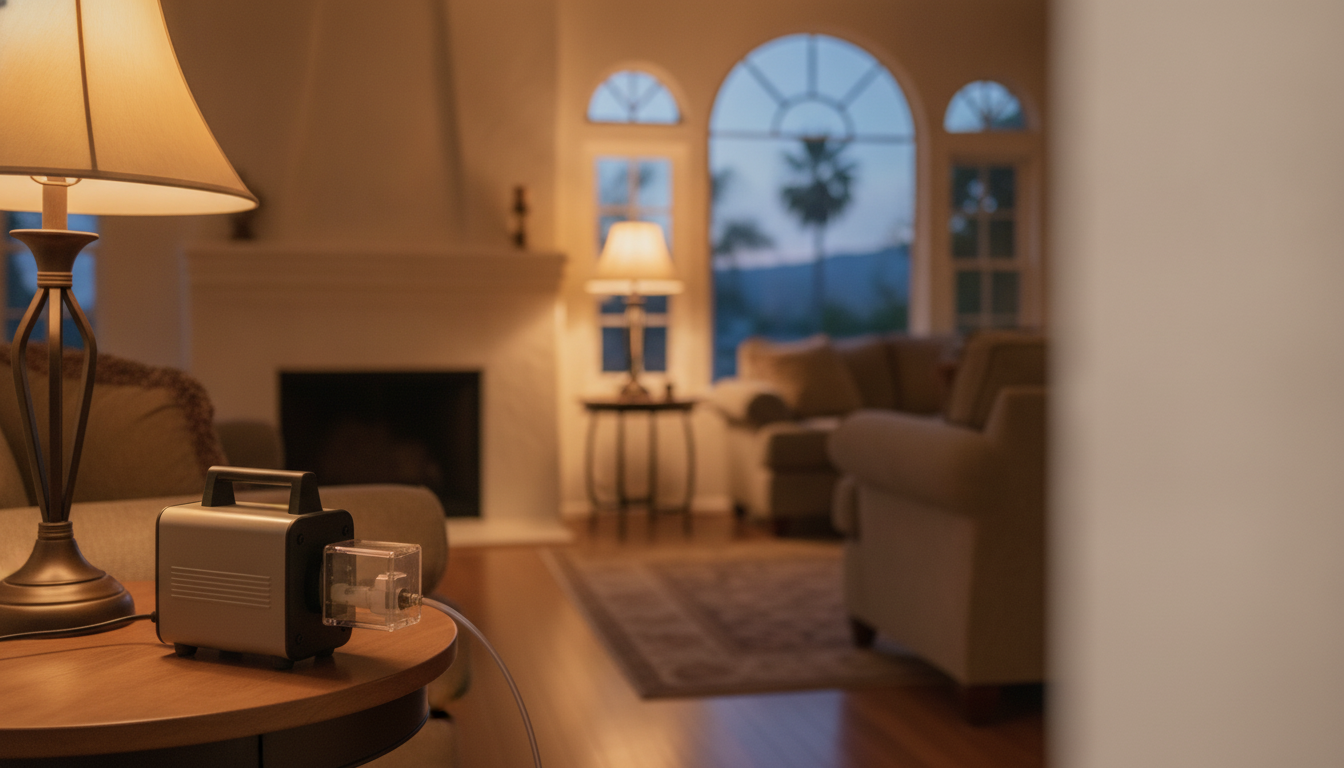
Start with the concern, not a guess
An unfamiliar smell, a recurring feeling of stuffiness, or concerns about a particular room can leave you unsure what to do next. An indoor air quality assessment provides a way to investigate the concern rather than relying on appearances or choosing a test without a clear purpose.
This type of assessment can be relevant to people responsible for homes, workplaces, or other occupied buildings. You do not need to identify a suspected contaminant before making an inquiry. Start by describing what you have noticed, where it happens, and whether anything about the space has changed.
What an indoor air quality assessment involves
In general, an assessment begins with understanding the building and the question that needs answering. Relevant background may include how rooms are used, when a concern occurs, and whether it followed a renovation, water issue, or change in occupancy. These details help define the investigation; they do not establish a cause on their own.
Depending on the concern, an assessment may involve reviewing conditions, considering possible sources, and determining whether testing would be useful. Not every concern calls for the same approach. Before commissioning work, ask which areas and questions the proposed assessment will cover and what falls outside its scope.
Assessment and testing are not the same thing
Testing addresses a defined question about a particular substance or condition. Assessment is the broader task of deciding what needs investigation and putting the available information in context. A single test should not be treated as a complete picture of every aspect of indoor air quality.
Red Leaf Asbestos Testing offers indoor air quality assessment and air quality testing. When discussing your needs, ask how any proposed testing relates to your concern and what its results could—and could not—tell you.
Details worth gathering before you inquire
A clear description is more useful than a firm diagnosis. Note which rooms are affected, whether the concern is constant or intermittent, and whether it changes with activities or building use. If several people have noticed it, describe their observations without assuming they share the same cause.
Existing building information or previous test results may also be worth mentioning. You do not need to arrange additional testing before contacting the business. The first conversation is an opportunity to explain your concern and ask what information would help define the work.
Know what you are commissioning
Before agreeing to an assessment, clarify its purpose, the areas included, and any proposed testing. Ask what findings you will receive and how limitations will be explained. An investigation is most useful when everyone understands the question it is intended to address.
Price and scheduling are also worth discussing at this stage. Describe the property and your concern when asking for a quote, rather than assuming that every indoor air quality assessment involves the same work.
Frequently asked questions
Do I need to know what is affecting the air?
No. You can begin with observations, such as an odor or a concern about a particular space. Observations help frame an inquiry, but they do not identify a contaminant by themselves.
Will an assessment test for everything?
Do not assume that it will. Ask which concerns the proposed assessment addresses and which tests, if any, are included. Testing should have a defined purpose.
How much will it cost, and how long will it take?
Contact Red Leaf Asbestos Testing to discuss pricing and timing for your inquiry. Confirm the agreed scope, scheduling, and any testing-related timelines before proceeding.
Can an assessment diagnose health symptoms?
An environmental assessment is not a medical diagnosis. If you have health concerns, speak with a healthcare professional as well as discussing the building-related concern.
Discuss your indoor air quality concerns
Contact Red Leaf Asbestos Testing to discuss indoor air quality assessment. Tell us what you have noticed and which spaces concern you, and ask about scope, pricing, and scheduling before arranging the work.
Areas we serve
- ● Los Angeles County
- ● Agoura Hills
- ● Alhambra
- ● Arcadia
- ● Artesia
- ● Avalon
- ● Azusa
- ● Baldwin Park
- ● Bell
- ● Bell Gardens
- ● Bellflower
- ● Beverly Hills
- ● Bradbury
- ● Burbank
- ● Calabasas
- ● Carson
- ● Cerritos
- ● Claremont
- ● Commerce
- ● Compton
- ● Covina
- ● Cudahy
- ● Culver City
- ● Diamond Bar
- ● Downey
- ● Duarte
- ● El Monte
- ● El Segundo
- ● Gardena
- ● Glendale
- ● Glendora
- ● Hawaiian Gardens
- ● Hawthorne
- ● Hermosa Beach
- ● Hidden Hills
- ● Huntington Park
- ● Industry
- ● Inglewood
- ● Irwindale
- ● La Cañada Flintridge
- ● La Habra Heights
- ● La Mirada
- ● La Puente
- ● La Verne
- ● Lakewood
- ● Lancaster
- ● Lawndale
- ● Lomita
- ● Long Beach
- ● Los Angeles
- ● Lynwood
- ● Malibu
- ● Manhattan Beach
- ● Maywood
- ● Monrovia
- ● Montebello
- ● Monterey Park
- ● Norwalk
- ● Palmdale
- ● Palos Verdes Estates