

Pre-Construction Analysis
Red Leaf Asbestos Testing offers pre-construction analysis for customers planning construction work.
- ✓ Open 24 hours, 7 days a week
- ✓ Serving Los Angeles County, Agoura Hills, Alhambra and 86 more areas
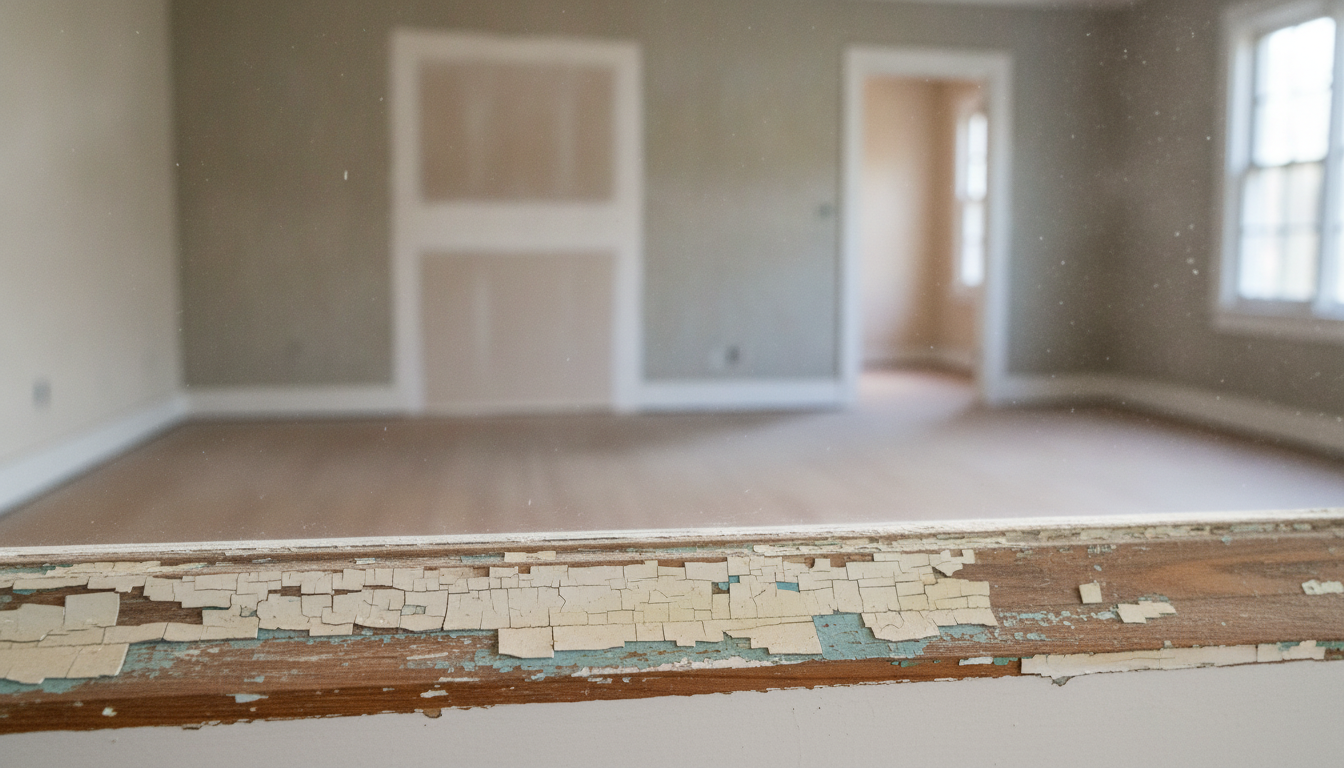
Understand Environmental Questions Before Work Begins
Construction planning involves more than deciding what to build. It can also mean understanding the materials, soil, or other conditions that planned work may disturb. Pre-construction analysis helps frame those questions before decisions about the work are finalized.
The appropriate scope depends on the property and the proposed activity. A project involving existing building materials may raise different questions from one involving excavation. The starting point is the work you intend to carry out—not an assumption that every project needs the same tests.
When to Consider Pre-Construction Analysis
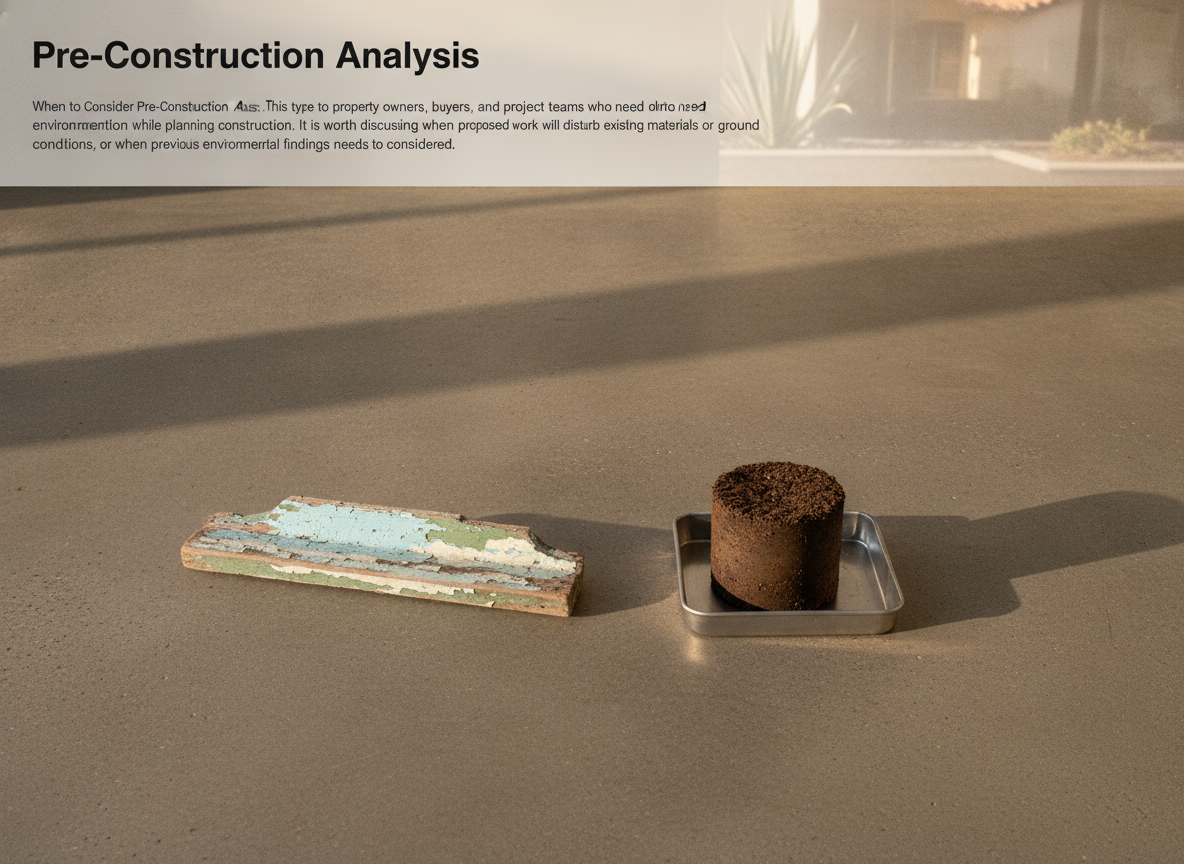
This type of analysis is relevant to property owners, buyers, and project teams who need environmental information while planning construction. It is worth discussing when proposed work will disturb existing materials or ground conditions, or when previous environmental findings need to be considered in the project plan.
You do not need to arrive with a testing plan already written. Begin with the practical question you need answered: what will be disturbed, what concerns have been identified, and what information is needed before the next project decision? Those questions help establish what analysis may be appropriate.
What the Work Can Involve
In general, pre-construction analysis begins by connecting the proposed work with the environmental questions it raises. Depending on the project, that can involve reviewing available property information, identifying areas of concern, and determining whether inspection or sampling is appropriate.
Testing should address a defined question. A sample from one material or location does not automatically describe every part of a property. Likewise, the usefulness of existing findings depends on whether they relate to the areas and materials involved in the planned work.
Any proposed scope should make clear what is being evaluated and what falls outside it. That distinction helps customers understand how the findings relate to construction planning without treating a limited assessment as a guarantee about the entire property.
Prepare for a Useful Scope Discussion
Before requesting analysis, gather what you already know about the project. Useful information can include the planned work, the areas that will be affected, available drawings, previous environmental reports, and any specific concern raised by another project participant.
Also explain your decision point. You may be comparing project options, preparing for work to begin, or responding to a request for environmental information. Discussing that purpose helps focus the conversation on the information you actually need. Ask about scope, access requirements, timing, cost, and the form of the findings before authorizing work.
Why Choose Red Leaf Asbestos Testing?
Red Leaf Asbestos Testing offers pre-construction analysis alongside asbestos testing and surveys, lead testing and analysis, soil testing and analysis, and environmental site assessments.
That range of environmental services gives you a reason to discuss your construction-related questions with the business. Start with your project rather than choosing a test by name, and ask which work is appropriate for your circumstances. Confirm the agreed scope instead of assuming that every related assessment is included.
Frequently Asked Questions
Do all construction projects need the same analysis?
No single scope fits every project. The appropriate analysis depends on the proposed work, the materials or areas affected, existing information, and the questions the findings need to answer.
Should I arrange analysis before choosing a contractor?
The useful timing depends on when environmental information will affect your decisions. Raise the question during planning, particularly before committing to work that could disturb an area of concern.
How much will it cost, and how long will it take?
Ask for project-specific pricing and timing after discussing the proposed scope. The extent of the assessment, access arrangements, and any testing involved are points to clarify before proceeding.
Does analysis include fixing a problem?
Analysis and corrective work are different activities. Do not assume that identifying a concern includes removing materials or resolving it; confirm exactly what the proposed service covers.
Discuss Your Construction Plans
Contact Red Leaf Asbestos Testing to discuss pre-construction analysis. Share your planned work, available property information, and the questions you need answered, then ask about the appropriate scope and next steps.
Areas we serve
- ● Los Angeles County
- ● Agoura Hills
- ● Alhambra
- ● Arcadia
- ● Artesia
- ● Avalon
- ● Azusa
- ● Baldwin Park
- ● Bell
- ● Bell Gardens
- ● Bellflower
- ● Beverly Hills
- ● Bradbury
- ● Burbank
- ● Calabasas
- ● Carson
- ● Cerritos
- ● Claremont
- ● Commerce
- ● Compton
- ● Covina
- ● Cudahy
- ● Culver City
- ● Diamond Bar
- ● Downey
- ● Duarte
- ● El Monte
- ● El Segundo
- ● Gardena
- ● Glendale
- ● Glendora
- ● Hawaiian Gardens
- ● Hawthorne
- ● Hermosa Beach
- ● Hidden Hills
- ● Huntington Park
- ● Industry
- ● Inglewood
- ● Irwindale
- ● La Cañada Flintridge
- ● La Habra Heights
- ● La Mirada
- ● La Puente
- ● La Verne
- ● Lakewood
- ● Lancaster
- ● Lawndale
- ● Lomita
- ● Long Beach
- ● Los Angeles
- ● Lynwood
- ● Malibu
- ● Manhattan Beach
- ● Maywood
- ● Monrovia
- ● Montebello
- ● Monterey Park
- ● Norwalk
- ● Palmdale
- ● Palos Verdes Estates