

Environmental Site Assessments
Red Leaf Asbestos Testing offers environmental site assessments to help you evaluate environmental concerns associated with a property.
- ✓ Open 24 hours, 7 days a week
- ✓ Serving Los Angeles County, Agoura Hills, Alhambra and 86 more areas
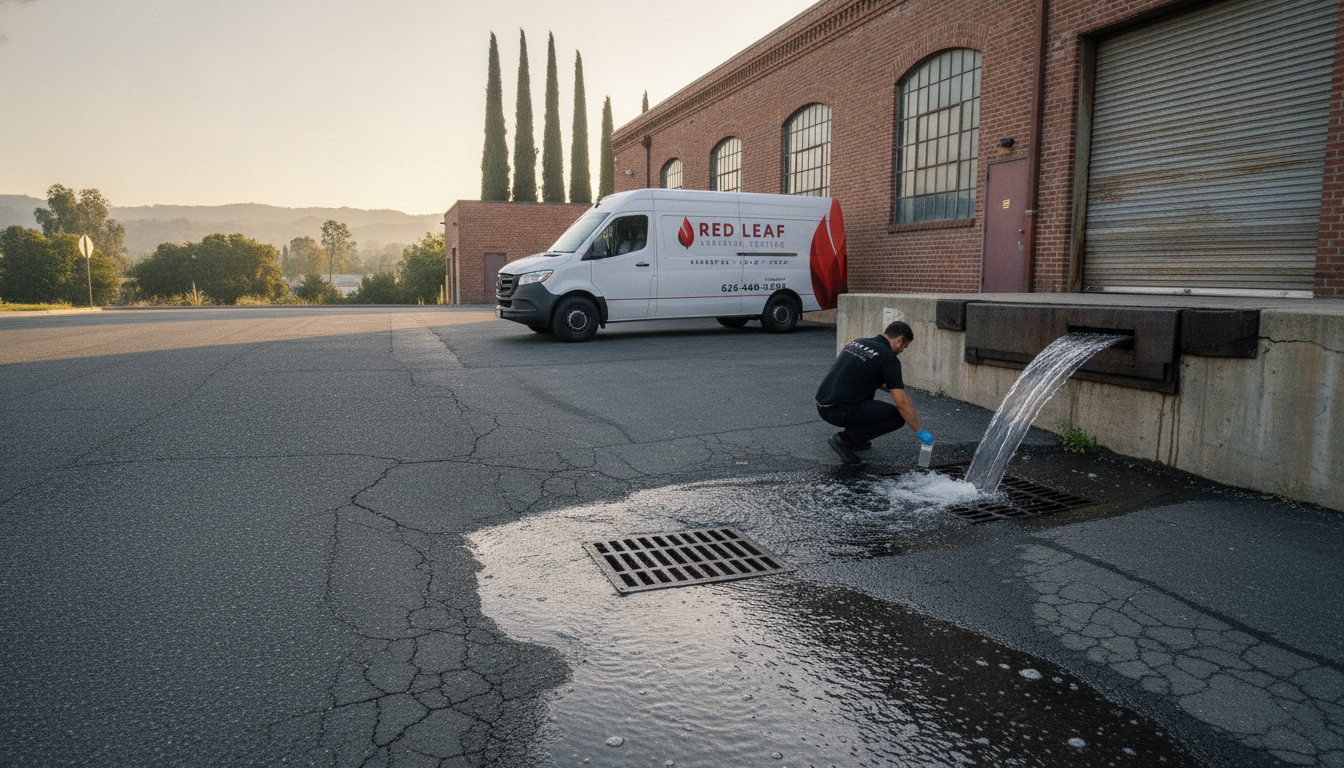
Understand the Property Before Moving Forward
A property purchase, a planned project, or a concern about past land use can raise questions that a routine walkthrough does not answer. An environmental site assessment provides a structured way to investigate those questions before making decisions about the property.
The starting point is the decision you need to make. Evaluating a potential purchase is different from investigating a particular concern. Explaining your purpose helps define the questions an assessment should address and the level of investigation worth discussing.
What an Environmental Site Assessment Involves
Environmental site assessments generally examine a property’s environmental context, including how it has been used and what concerns may warrant closer attention. Depending on the assignment, relevant information can include property records, historical uses, observations of current conditions, and information about surrounding properties.
An assessment is not automatically the same as a sampling program. Reviewing information, observing conditions, and testing specific materials answer different questions. Whether sampling is appropriate depends on the concern being investigated and the agreed scope—not simply on the fact that an assessment has been requested.
When to Consider an Assessment
Consider discussing an assessment when environmental questions could affect a purchase, project, or property decision. Uncertainty about previous activities at a site, an unexplained condition, or a request from another party can all be reasons to clarify what investigation is appropriate.
You do not need to arrive with a diagnosis. Start with what prompted the concern, what you know about the property, and what decision depends on the findings. If someone has requested the assessment, share their written requirements before agreeing to the work.
Set Expectations Before the Work Begins
A useful assessment begins with a clear scope. Before commissioning work, discuss the property, the purpose of the assessment, access arrangements, and any deadline tied to your decision. Existing records or previous environmental reports may also help frame the questions.
Ask what the proposed work will cover, how findings will be communicated, and what could lead to a recommendation for further investigation. The extent of the work can depend on site conditions, available records, access, and the specific concern. Findings should be considered within that scope rather than treated as an answer to every possible environmental question.
Discuss Your Assessment With Red Leaf Asbestos Testing
Red Leaf Asbestos Testing offers environmental site assessments alongside soil and groundwater testing, chemical contamination testing, and pre-purchase environmental inspections. That service range provides a relevant starting point for discussing your property’s environmental questions.
Keep the conversation focused on your objective: what you need to understand, why it matters, and who will use the findings. Ask which service and scope fit that objective before moving forward.
Frequently Asked Questions
Does an assessment always include testing?
Not necessarily. An assessment and a testing program serve different purposes. Confirm whether the proposed scope includes sampling and what questions any testing is intended to answer.
What should I prepare before contacting you?
Have the property details, your reason for requesting an assessment, any relevant records, and any requirements supplied by another party ready to discuss.
How much will it cost, and how long will it take?
Ask for pricing and scheduling based on the proposed scope. Explain any transaction or project deadline early so it can be part of the discussion.
Will the assessment answer every environmental question?
An assessment addresses a defined scope. Its findings may resolve the questions being investigated or identify reasons to consider additional work.
Talk About Your Property
Contact Red Leaf Asbestos Testing to discuss an environmental site assessment. Share your property details, concerns, and decision timeline to start the conversation.
Areas we serve
- ● Los Angeles County
- ● Agoura Hills
- ● Alhambra
- ● Arcadia
- ● Artesia
- ● Avalon
- ● Azusa
- ● Baldwin Park
- ● Bell
- ● Bell Gardens
- ● Bellflower
- ● Beverly Hills
- ● Bradbury
- ● Burbank
- ● Calabasas
- ● Carson
- ● Cerritos
- ● Claremont
- ● Commerce
- ● Compton
- ● Covina
- ● Cudahy
- ● Culver City
- ● Diamond Bar
- ● Downey
- ● Duarte
- ● El Monte
- ● El Segundo
- ● Gardena
- ● Glendale
- ● Glendora
- ● Hawaiian Gardens
- ● Hawthorne
- ● Hermosa Beach
- ● Hidden Hills
- ● Huntington Park
- ● Industry
- ● Inglewood
- ● Irwindale
- ● La Cañada Flintridge
- ● La Habra Heights
- ● La Mirada
- ● La Puente
- ● La Verne
- ● Lakewood
- ● Lancaster
- ● Lawndale
- ● Lomita
- ● Long Beach
- ● Los Angeles
- ● Lynwood
- ● Malibu
- ● Manhattan Beach
- ● Maywood
- ● Monrovia
- ● Montebello
- ● Monterey Park
- ● Norwalk
- ● Palmdale
- ● Palos Verdes Estates