

Radon Gas Testing
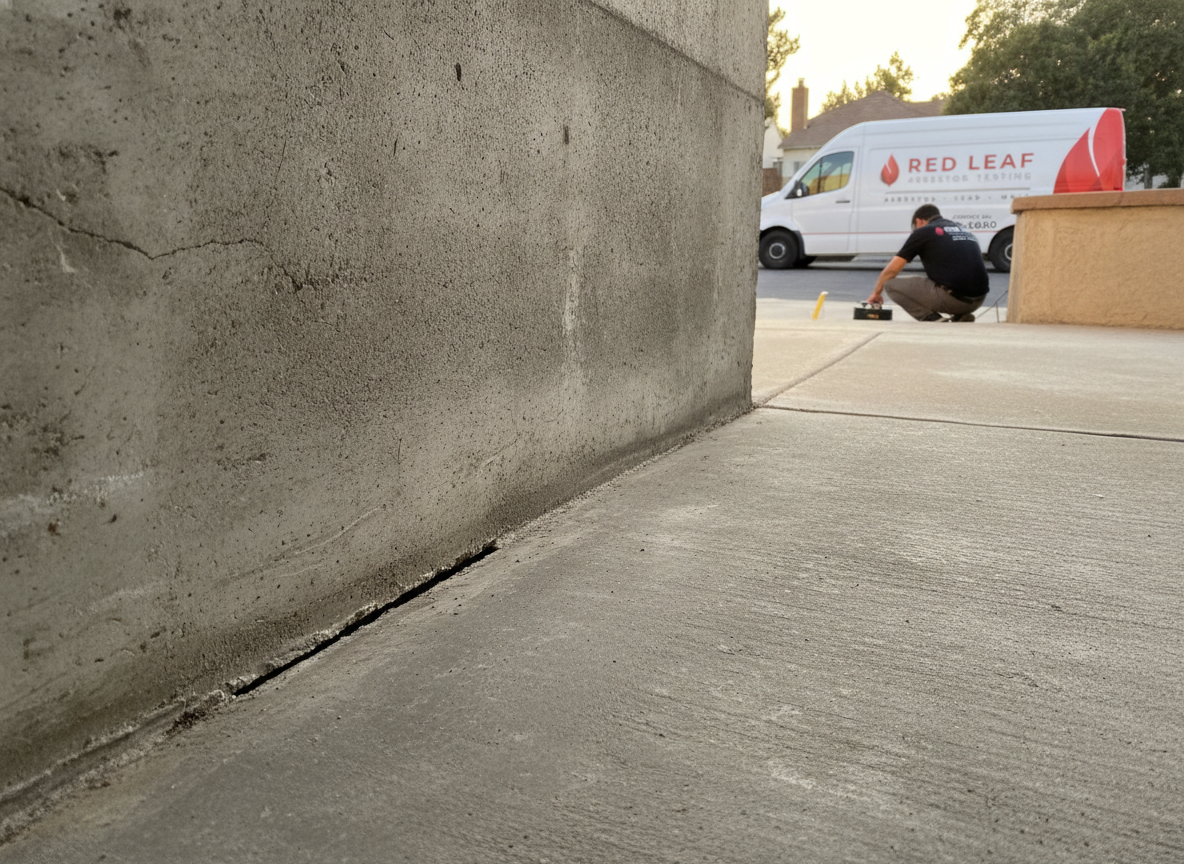
Red Leaf Asbestos Testing offers radon gas testing to help you investigate radon levels at your property.
- ✓ Open 24 hours, 7 days a week
- ✓ Serving Los Angeles County, Agoura Hills, Alhambra and 86 more areas
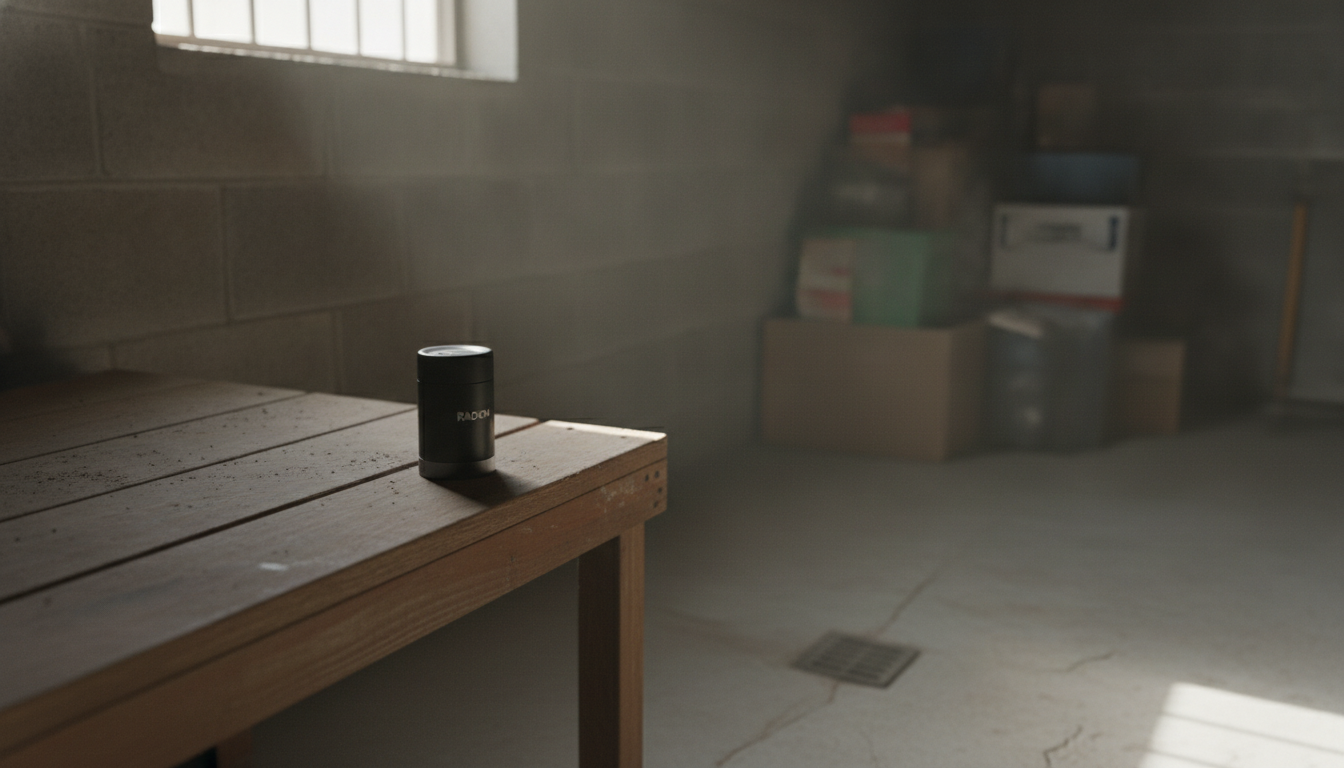
Find Out What You Cannot See or Smell
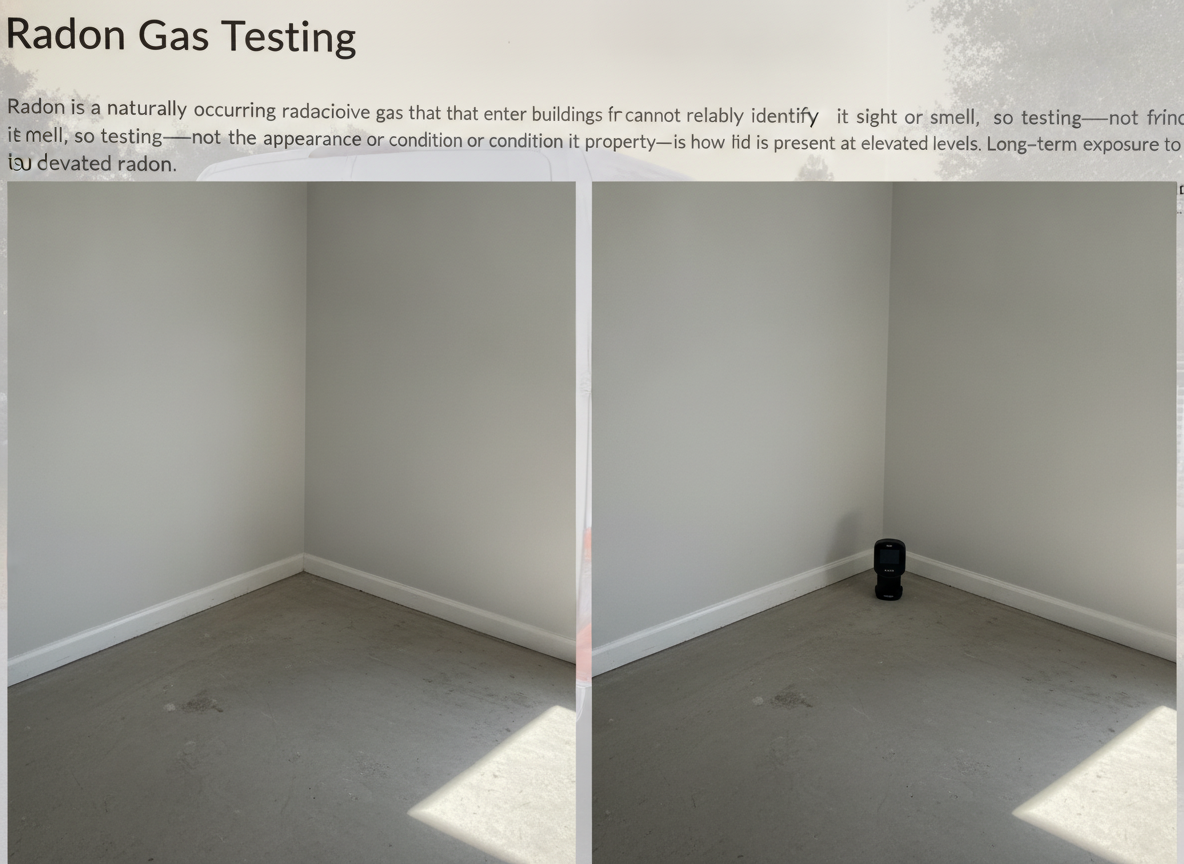
Radon is a naturally occurring radioactive gas that can enter buildings from the ground. You cannot reliably identify it by sight or smell, so testing—not the appearance or condition of a property—is how you find out whether it is present at elevated levels.
Long-term exposure to elevated radon increases lung cancer risk. Testing helps replace uncertainty with measurements you can use when considering whether further action is needed. A well-maintained building is not, by itself, evidence of a low radon level.
When Radon Testing Makes Sense
Radon testing is worth considering if you have never tested your property, are evaluating a property purchase, or want to revisit an earlier measurement. Changes to a building’s foundation, ventilation or occupied spaces can also be reasons to consider another test.
A neighboring property’s result cannot establish the level inside yours. Radon concentrations can differ between buildings and fluctuate over time, so the question is not simply whether radon occurs nearby. It is what a measurement shows at the property you are evaluating.
What Radon Testing Involves
Radon testing measures the concentration of radon in air over a defined period. The testing approach, device placement and conditions during measurement all affect how useful the result will be. Before arranging a test, ask what approach is proposed and what preparation it requires.
A typical testing process involves these stages:
- Define the purpose — Establish whether the measurement is for an initial assessment, a property transaction or a follow-up concern.
- Plan the measurement — Determine an appropriate testing location, duration and any conditions that need to be maintained.
- Measure radon levels — Keep the testing device in place and follow the instructions for the measurement period.
- Consider the result — Review the measured concentration and whether follow-up testing or further evaluation is appropriate.
These are general stages of radon testing, rather than a fixed procedure for every property. The details should be settled before testing begins.
What Affects the Result
Radon levels can vary with weather, ventilation and building conditions. Opening windows or changing normal building operation during certain tests may affect the measurement. Following the instructions for the selected testing method helps make the result meaningful.
Short-term and longer-term measurements provide different views of radon levels. A single result should be considered alongside the test duration and conditions, rather than treated as a permanent description of the building.
Testing measures radon; it does not, by itself, reduce radon levels.
Discuss Your Test With Red Leaf Asbestos Testing
Red Leaf Asbestos Testing offers radon gas testing. If radon is your concern, contact the business about that specific service and explain what prompted your inquiry.
Before booking, discuss the property, your reason for testing and any deadline you are working toward. Ask about the proposed testing method, preparation requirements, cost and how results will be provided. Establishing those details helps you decide whether the proposed test fits your needs.
Frequently Asked Questions
Can I tell whether my property has radon without testing?
No. Radon has no noticeable color or smell. Testing is needed to measure its concentration; a visual inspection cannot establish the level.
How long does radon testing take?
The measurement period depends on the testing method and purpose. Ask about both the time the device needs to remain in place and when you can expect results before making arrangements.
How much will testing cost?
Contact Red Leaf Asbestos Testing to discuss pricing for your property and testing needs. Ask what the quoted scope includes so you can plan before booking.
What happens if the result is elevated?
An elevated result may call for follow-up measurement or evaluation of ways to reduce radon. The appropriate next step depends on the result and testing conditions; testing itself is not a reduction measure.
Contact Us About Radon Gas Testing
Contact Red Leaf Asbestos Testing to discuss your property, ask questions about radon testing and request pricing. Use the contact form or call to arrange your next step.
Areas we serve
- ● Los Angeles County
- ● Agoura Hills
- ● Alhambra
- ● Arcadia
- ● Artesia
- ● Avalon
- ● Azusa
- ● Baldwin Park
- ● Bell
- ● Bell Gardens
- ● Bellflower
- ● Beverly Hills
- ● Bradbury
- ● Burbank
- ● Calabasas
- ● Carson
- ● Cerritos
- ● Claremont
- ● Commerce
- ● Compton
- ● Covina
- ● Cudahy
- ● Culver City
- ● Diamond Bar
- ● Downey
- ● Duarte
- ● El Monte
- ● El Segundo
- ● Gardena
- ● Glendale
- ● Glendora
- ● Hawaiian Gardens
- ● Hawthorne
- ● Hermosa Beach
- ● Hidden Hills
- ● Huntington Park
- ● Industry
- ● Inglewood
- ● Irwindale
- ● La Cañada Flintridge
- ● La Habra Heights
- ● La Mirada
- ● La Puente
- ● La Verne
- ● Lakewood
- ● Lancaster
- ● Lawndale
- ● Lomita
- ● Long Beach
- ● Los Angeles
- ● Lynwood
- ● Malibu
- ● Manhattan Beach
- ● Maywood
- ● Monrovia
- ● Montebello
- ● Monterey Park
- ● Norwalk
- ● Palmdale
- ● Palos Verdes Estates